Paris Budget Travel 2026: Real Costs & Money-Saving Secrets That Actually Work
I paid $8 for breakfast in Paris last month. Not at some dingy corner café — at Breizh Café in the Marais, where locals line up for their buckwheat crêpes. The tourist at the table next to me? She’d just spent €22 on the exact same meal at a place two blocks away with English menus and zero atmosphere.
That’s Paris budget travel in a nutshell. The city hasn’t gotten cheaper (spoiler: it never will), but the gap between tourist prices and local prices has gotten absolutely ridiculous. Post-2024 Olympics, everyone assumed Paris would be more expensive. In some ways it is — but in others, it’s actually easier to do well for less if you know where to look.
By the end of this, you’ll know exactly how much Paris costs per day in 2026, which neighborhoods to avoid (and which ones locals actually hang out in), and the specific apps and tricks I use to eat, sleep, and explore Paris for roughly $75 a day. That’s real Paris — not hostel-and-baguette Paris.
Table of Contents
- What Paris Actually Costs in 2026
- The Post-Olympics Reality Check
- Where to Sleep Without Going Broke
- Eating Well for $25 a Day (Yes, Really)
- Getting Around: Metro Secrets They Don’t Tell Tourists
- Free Paris vs. Paid Paris: What’s Worth It
- The One Mistake Costing You $300+ Per Trip
- FAQ: Paris Budget Travel 2026
What Paris Actually Costs in 2026

Here’s what I spent during my eight days in Paris last October. Real numbers, real receipts.
Daily averages:
– Accommodation: $28/night (shared Airbnb in the 11th)
– Food: $24/day (mix of markets, cafés, one nice dinner)
– Transport: $8/day (weekly Navigo pass)
– Activities: $15/day (mix of free and paid)
– Total: $75/day
The catch? I didn’t stay in the 1st or 7th arrondissements, I didn’t eat every meal in tourist zones, and I planned ahead. Also, I’ve been to Paris seven times now, so I know which “must-dos” are actually worth your money.
What Changed After the Olympics
Everyone expected Paris to be more expensive post-Olympics. In reality, it’s more nuanced than that. Hotel prices in central arrondissements jumped about 15% and stayed there. But — and this is crucial — accommodation options outside the tourist bubble actually got better. More locals started renting rooms on Airbnb to offset their own rising costs.
Meanwhile, restaurant prices stayed relatively flat because locals simply won’t pay tourist premiums. The real change? More businesses now assume you’re a tourist first, Parisian second. Which means you need to work slightly harder to access local prices.
The good news: the tourist tax that had everyone panicking never materialized the way people feared. It’s still €1-4 per person per night depending on accommodation type. Not exactly budget-breaking.
The Post-Olympics Reality Check
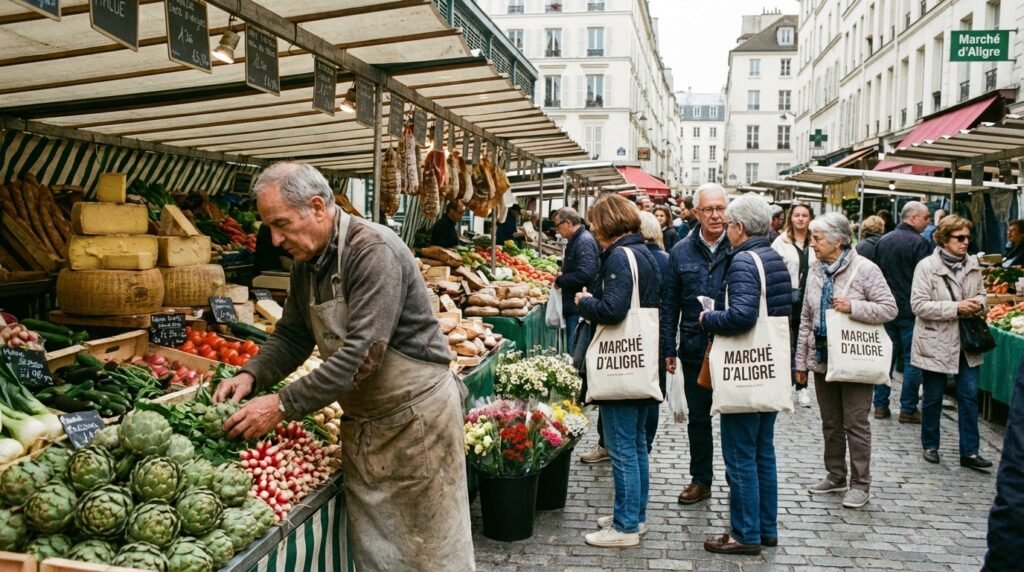
Let me be honest about what Paris is like right now in 2026. The city is gorgeous, the food is incredible, and yes — it’s expensive if you do it like most Americans do it.
But here’s what changed my approach completely: I stopped trying to see Paris like a tourist and started living there like a broke graduate student. Which, coincidentally, is how half of Paris actually lives.
The Arrondissement Truth
Everyone tells you to stay in the 1st, 4th, or 7th because they’re “central” and “safe.” They’re also where you’ll pay $200/night for a shoebox hotel room and $35 for a mediocre dinner.
The 10th, 11th, and 20th arrondissements are where actual Parisians in their twenties live and eat. Metro connections are just as good, the food is better, and your daily costs drop by about 40%. I’m not talking about sketchy neighborhoods — I’m talking about places with excellent bakeries, real bistros, and reasonable rent.
My friend Sophie lives in the 11th near République. Her rent for a one-bedroom? €1,100/month. The equivalent space in the 7th? €2,800/month. Same city, same metro system, completely different price point.
Where to Sleep Without Going Broke
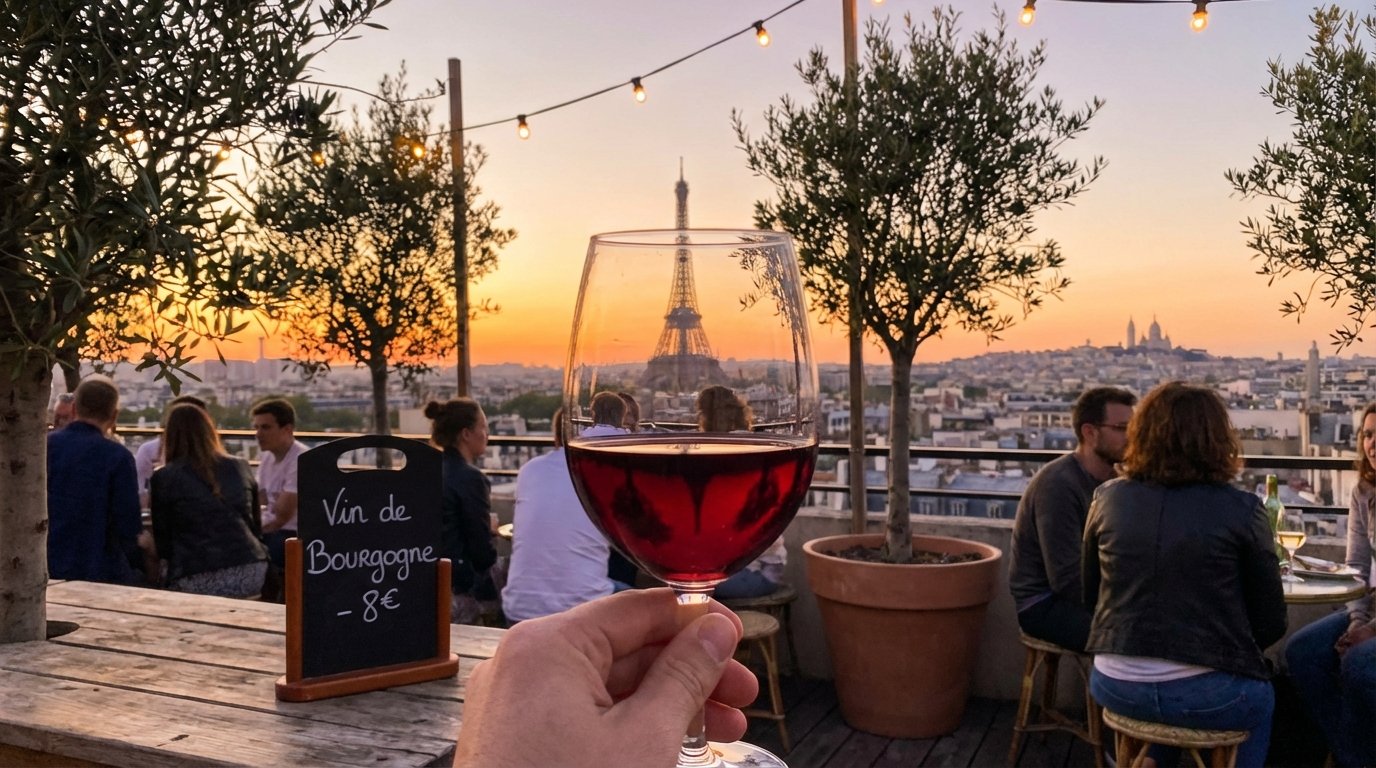
The accommodation game in Paris changed significantly after 2024. Here’s what actually works now for paris budget travel:
Shared Airbnbs in the Right Neighborhoods
Forget hostels unless you’re 19 years old. Shared Airbnbs in the 10th, 11th, or 20th arrondissements run $25-35/night and you get access to a kitchen, which saves you massive money on food.
I use the filter function aggressively: entire place (not just a room), at least 4.8 stars, minimum 20 reviews, and I always message the host with a specific question before booking. Something like “Hi Marie, is the kitchen fully equipped with cooking basics?” Generic hosts don’t respond. Real people do.
Pro tip: Book Sunday to Sunday instead of weekend check-ins. You’ll save about 20% and avoid the weekend tourist surge pricing.
The Hotel Alternative Nobody Talks About
Aparthotels. Specifically, Citadines and Adagio chains have locations in the 11th and 15th that include kitchenettes, cost $60-80/night, and don’t charge tourist tax because they’re technically serviced apartments.
I stayed at Citadines République last March for €67/night. Same area, same access, but classified differently for tax purposes. The room was tiny but functional, and having a fridge meant I could buy groceries instead of eating every meal out.
What to Avoid Completely
Never book anything with “Paris Center” in the name that costs under $100/night. It’s either a scam or so far from actual Paris that your metro costs will eat up any savings.
Also avoid: any booking site that doesn’t show the exact address until after you pay, anything in the 13th arrondissement marketed as “close to everything” (it’s not), and any hostel with under 100 reviews.
Eating Well for $25 a Day (Yes, Really)
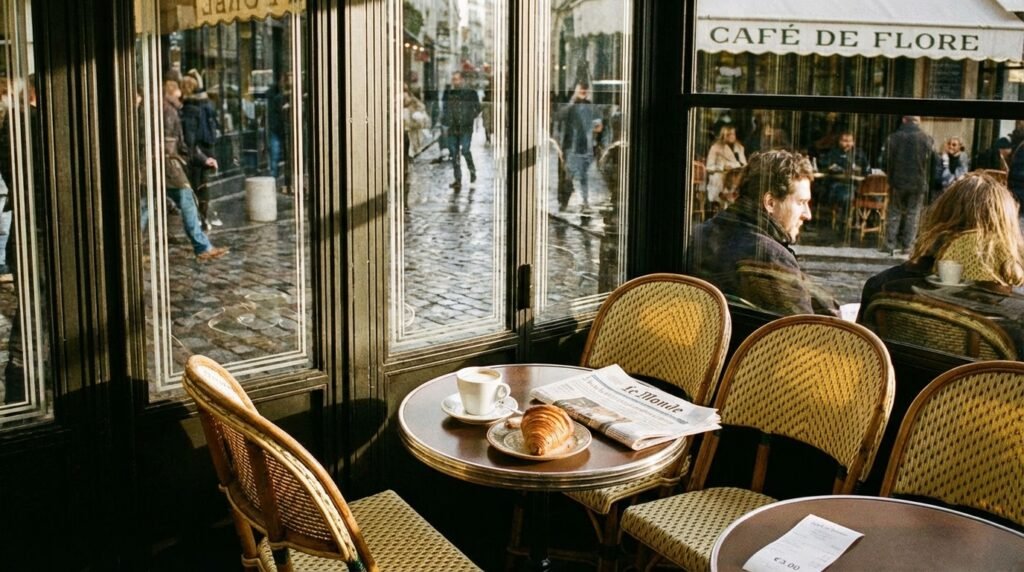
This is where most Paris budget travel advice completely falls apart. Everyone tells you to buy bread and cheese from the grocery store and call it a day. That’s not eating well — that’s surviving.
Here’s how I actually eat in Paris for about $24/day without feeling deprived:
Breakfast: €3-5
Skip hotel breakfast (usually €15-25) and hit a neighborhood boulangerie instead. Pain au chocolat (€1.20), café au lait (€2.50). Done. Or grab a yogurt and banana from Monoprix (€2 total) and eat it on a park bench like a civilized person.
Lunch: €8-12
This is where the magic happens. Every arrondissement has at least three places doing €9.90 lunch formulas — starter, main, or main and dessert. I’m not talking about tourist traps with laminated menus. Real bistros with handwritten daily specials.
My go-to method: walk down any residential street around 11:30am and look for places with no English signage where people are already eating. If the menu is handwritten and under €12 for a two-course meal, you’ve found gold.
Specific spots that work:
– Le Procope in the 6th: €11.50 lunch menu, has been there since 1686
– L’As du Fallafel in the 4th: €7 falafel that’s actually filling
– Any place in Belleville (20th) with the words “plat du jour” in the window
Dinner: €8-15
Here’s where European food markets strategy comes in handy — hit a neighborhood market around 6pm when vendors start discounting produce.
Marché Saint-Germain on Saturdays, Marché des Enfants Rouges in the 3rd any day except Monday. Buy cheese (€4), bread (€1.50), wine (€5-8 for something decent), and have a picnic along the Seine or in Luxembourg Gardens.
Alternatively, find a wine bar doing small plates. Order three different items instead of one main course. You’ll spend the same amount but try more food and feel more sophisticated about it.
The Grocery Store Strategy
Monoprix is everywhere and prices are reasonable. Franprix is cheaper but less selection. Never shop at the tiny corner stores near major attractions — they’re marking up basics by 200%.
Stock up on: good bread (€1-2), decent cheese (€3-5), fruit (€2-3), and wine under €10. That’s dinner for two with leftovers.
Getting Around: Metro Secrets They Don’t Tell Tourists
Paris metro strategy is where tourists hemorrhage money without realizing it. Single tickets cost €2.15 now. If you’re taking 4+ metro rides per day, you’re bleeding cash.
Weekly Navigo Pass: The Game-Changer
€30 for unlimited metro, bus, and RER within central Paris for seven consecutive days. Break-even point is 14 single rides — which happens faster than you think.
But here’s the catch nobody mentions: the week runs Monday to Sunday. Not seven days from when you buy it. If you arrive on Wednesday, you’re paying €30 for four days of use.
Solution: plan your Paris visit Monday to Sunday, or buy day passes for partial weeks and save the Navigo for longer stays.
Walking vs. Metro: The 20-Minute Rule
Paris is surprisingly walkable. If Google Maps says a destination is under 25 minutes on foot, walk it. You’ll save €2.15 per trip and actually see neighborhoods instead of tunnels.
I walked from République to the Louvre last month (32 minutes) and passed four different bakeries, two excellent coffee shops, and a street market I never would have found otherwise. The metro would have taken 18 minutes plus waiting time and cost €2.15. Walking took 32 minutes and cost nothing.
Vélib’ Bike Share: Underrated
€8 for a day pass, €29 for a month. First 30 minutes of each ride are free, then €1 per additional 30 minutes. For distances between walking and metro-worthy, bikes are perfect.
The trick: there’s almost always a docking station within 5 minutes of where you want to go. Use the Vélib’ app to check availability before you start walking to a station.
Free Paris vs. Paid Paris: What’s Worth It
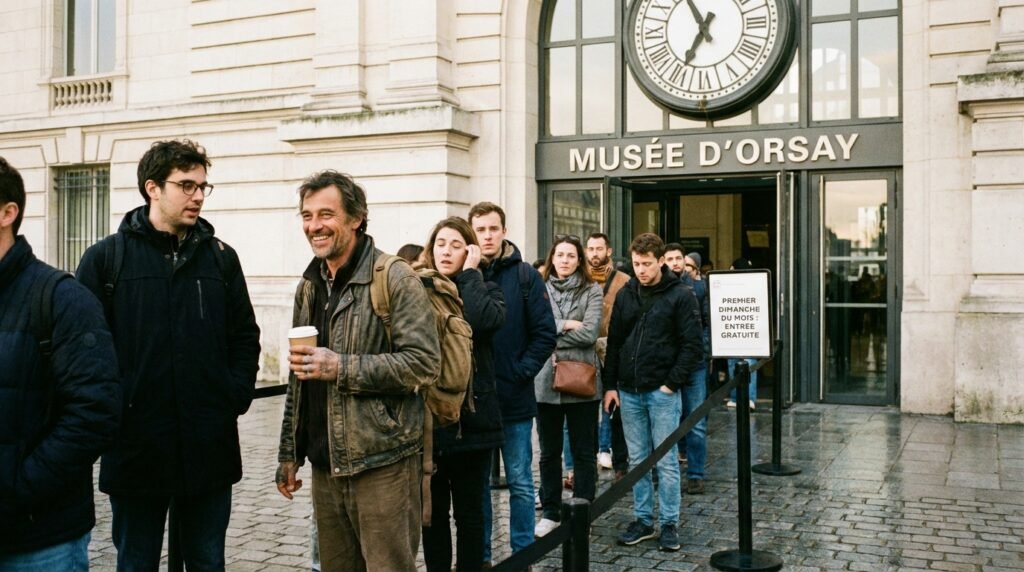
Paris has more free attractions than any major city I’ve visited, but tourists somehow end up spending €300+ on museum tickets and tours they’ll forget about in six months.
Free Paris That’s Actually Worth Your Time
Père Lachaise Cemetery: More interesting than most museums, completely free, and never crowded in the morning. Give yourself 2 hours minimum.
Sacré-Cœur at sunrise: The church itself is free, the view is incredible, and at 7am you’ll have it mostly to yourself. The funicular costs €2.15 or you can walk up for free cardio.
Seine riverbanks: The entire walkway from Notre-Dame to the Eiffel Tower is free and better than any tour bus route.
Marché aux Puces flea markets: Free to browse, fascinating even if you don’t buy anything. Saturdays and Sundays only.
Every major park: Luxembourg Gardens, Tuileries, Jardin des Plantes. All free, all perfect for picnics and people-watching.
Paid Paris That’s Worth Every Euro
Musée d’Orsay: €16, but the Impressionist collection is unmatched. Go Tuesday evening after 6pm when it’s less crowded.
Sainte-Chapelle: €11.50 for what might be the most beautiful stained glass in Europe. Worth it, but book timed entry or you’ll wait 90 minutes.
Eiffel Tower elevator to the second floor: €18.10, touristy as hell, but you’ll regret not doing it at least once. Skip the top level (€29) unless weather is perfect.
Complete Wastes of Money
Hop-on-hop-off bus tours: €35+ for traffic jams and recorded commentary you can’t hear properly.
Seine dinner cruises: €80-150 for mediocre food and worse wine. Buy a bottle of wine and sit by the river instead.
Any tour that promises to “skip the lines”: Half the attractions in Paris don’t have lines if you go at the right time.
The One Mistake Costing You $300+ Per Trip
Currency exchange at airports and tourist areas. I’m not exaggerating — this single mistake costs most American travelers hundreds of dollars per European trip.
The Real Cost of Bad Exchange Rates
Airport exchange counters typically offer rates 8-12% worse than the actual exchange rate. Tourist area “Bureau de Change” shops are even worse — sometimes 15% below market rate.
On a $2,000 Paris trip, that’s $200-300 in unnecessary fees just for the privilege of having euros in your pocket.
What Actually Works
Charles Schwab Investor Checking: No foreign transaction fees, reimburses all ATM fees worldwide. I’ve used it in 43 countries and never paid a cent in currency conversion fees.
Credit cards with no foreign fees: Chase Sapphire, Capital One Venture, most premium cards. Use these for all restaurant and hotel purchases.
ATMs from actual banks: BNP Paribas, Crédit Lyonnais, Société Générale ATMs give you the real exchange rate. Just avoid the independent ATMs that charge €5 fees.
The strategy: arrive with about €100 in cash (order from your US bank before you leave), use fee-free ATMs for additional cash needs, and put everything else on no-fee credit cards.
However, there’s one more piece to this puzzle that most travel credit card strategies guides don’t mention…
Notify Your Bank Properly
Don’t just call and say “I’m going to Europe.” Give them specific dates, specific cities, and ask them to note both your debit and credit accounts. I learned this the hard way in Barcelona when my card got declined for a €12 lunch because the bank’s travel notification system failed.
FAQ: Paris Budget Travel 2026
How much should I budget per day for Paris in 2026?
For comfortable paris budget travel, plan on $75-100/day including accommodation. That gets you a decent place to sleep, good food, transport, and one paid activity daily. Ultra-budget travelers can do it for $50/day with hostels and more grocery store meals, but it’s not much fun.
Is Paris more expensive after the Olympics?
Hotel prices in central areas went up about 15% and stayed there. Restaurant prices stayed fairly flat. The bigger change is that more businesses assume you’re a tourist first, so you need to work harder to access local pricing. Overall, about 10% more expensive than pre-Olympics if you don’t adjust your strategy.
Which neighborhoods are safe and affordable for tourists?
The 10th, 11th, and 20th arrondissements offer the best value for safety and transport connections. Belleville (20th) and République area (11th) are where young Parisians actually live and eat. Avoid anything marketed as “Paris Center” under $100/night — it’s either a scam or terribly located.
What’s the best way to save money on food in Paris?
Shop at neighborhood markets in the evening when vendors discount produce, eat lunch at places with handwritten menus under €12, and stock up on bread, cheese, and wine from Monoprix for picnic dinners. Skip hotel breakfast and hit local boulangeries instead. This strategy keeps food costs around $25/day while eating well.
Do I need to speak French to travel Paris on a budget?
Basic French helps you access local prices and find non-tourist restaurants, but it’s not essential. Download Google Translate with offline French, learn “Combien ça coûte?” (how much?), and don’t be afraid to point at menu items. Younger Parisians speak excellent English, especially in the neighborhoods where you’ll actually want to eat and stay.
Your Paris Budget Travel Action Plan
The real secret to paris budget travel isn’t sleeping in hostels or eating bread for every meal. It’s understanding that Paris has two completely different price structures: one for tourists, one for everyone else.
Stay in neighborhoods where actual Parisians live. Eat lunch at places with handwritten menus. Use weekly metro passes instead of single tickets. Withdraw euros from real bank ATMs, not airport exchange counters. Do these four things consistently and you’ll save $300+ on a week-long trip without sacrificing quality.
And here’s the thing nobody tells you: Paris gets more affordable the more time you spend there. Not because prices drop, but because you stop falling for tourist traps and start finding the places locals have been going to for decades.
Book your accommodation Monday to Sunday if possible. Download the Citymapper app for transport. Bring a Charles Schwab debit card for ATMs. Pack comfortable walking shoes because you’ll be doing more walking than you expect.
The croissant at your neighborhood boulangerie will taste better than anything you get near the Eiffel Tower. And it’ll cost €1.20 instead of €5. That’s the whole secret right there.