Best Solo Travel Destinations — Safe, Fun and Surprisingly Affordable
I’m sitting in a café in Lisbon at 9am, watching a woman about my age check into the hostel across the street. She’s got that look — the slightly nervous excitement of someone about to spend two weeks talking to strangers in broken Portuguese.
Three years ago, that was me.
Except I was standing in Bangkok airport at 2am with $1,847 in my checking account and absolutely no plan beyond “figure it out as you go.” Which, spoiler alert, is not actually a plan.
Solo travel bookings hit an all-time high in 2024, with women making up 84% of solo travellers according to Booking.com data. And honestly? The best solo travel destinations aren’t what most people think. They’re not the places with the most Instagram posts or the cheapest beer.
They’re the places where you can mess up spectacularly and still have the best three weeks of your life.
By the end of this, you’ll know exactly which countries make solo travel easy (not just “safe”), what you’ll actually spend per day, and the one destination that sounds terrifying but is actually perfect for first-timers. Plus the mistake I made in Japan that cost me $340 and how to avoid it.
Table of Contents
- The Real Criteria for Best Solo Travel Destinations
- Iceland — Expensive But Worth Every Krona
- Japan — Organized Chaos That Actually Works
- Portugal — Europe’s Best-Kept Secret
- Colombia — The Surprise Winner
- New Zealand — Adventure Without the Anxiety
- The Numbers Game — What You’ll Actually Spend
- Solo Travel Safety — Beyond the Government Warnings
- Frequently Asked Questions
The Real Criteria for Best Solo Travel Destinations
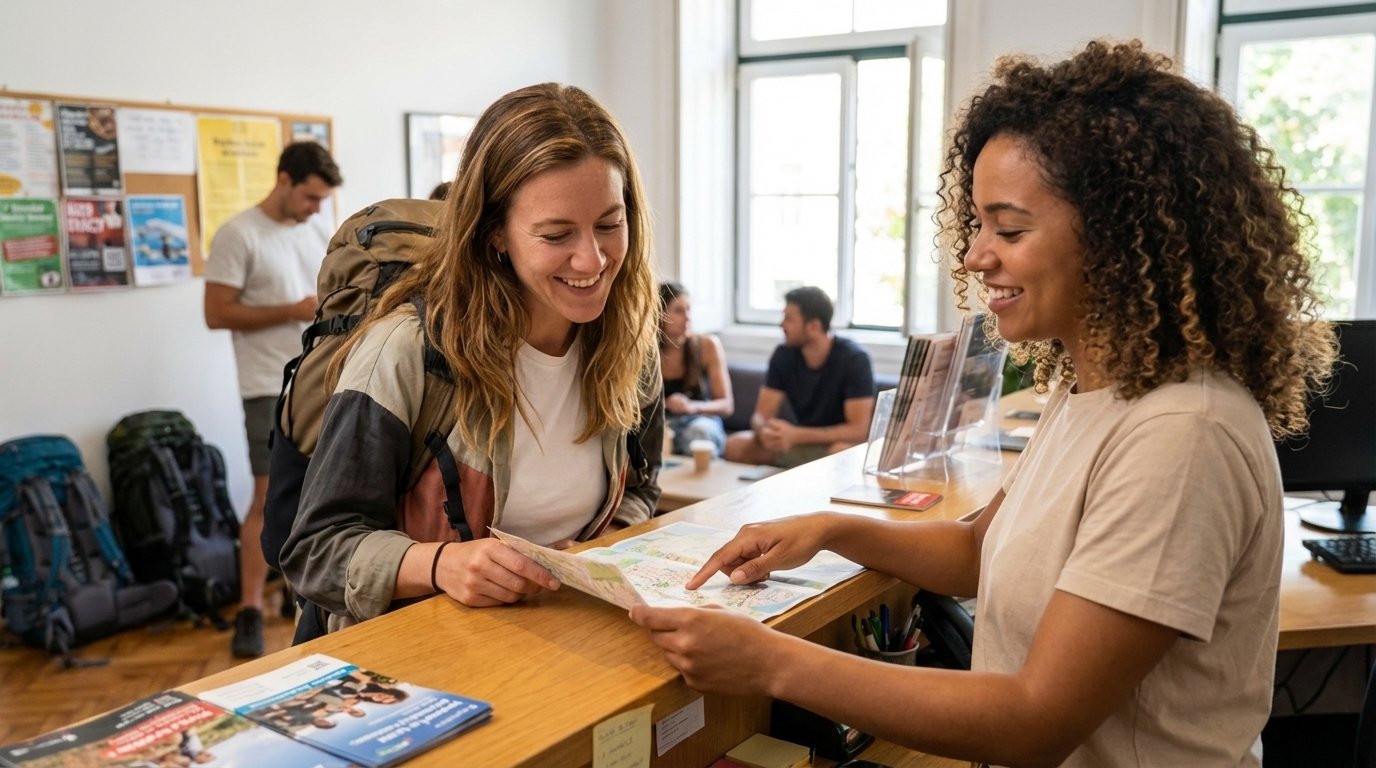
Here’s where most solo travel guides get it wrong. They focus on safety ratings and forget that being “safe” means nothing if you’re bored out of your mind or spending $200 a day just to exist.
The best solo travel destinations nail three things: infrastructure that works when you mess up, locals who don’t immediately peg you as a tourist target, and enough interesting stuff that you’re not checking your phone every twenty minutes.
Safety matters, obviously. But what matters more is predictability. I can handle sleeping in a $12 dorm bed in Medellín. What I can’t handle is showing up and finding out the hostel doesn’t exist because I booked through some sketchy third-party site.
My criteria is simple: Could I send my slightly anxious mom here alone and expect her to come back with stories instead of trauma?
The Maya Solo Travel Score
I rate destinations on a 1-10 scale across four categories:
– Infrastructure (transport, wifi, English signage)
– Value (what $50/day actually gets you)
– Social Scene (how easy it is to meet people)
– Recovery Factor (how badly can you mess up and still be fine)
Because here’s the thing — you WILL mess up. I’ve missed flights in three countries, gotten food poisoning in five, and once accidentally booked a hotel in the wrong Valencia (Spain has two, apparently).
The best solo travel destinations are the ones where these mistakes become funny stories instead of expensive disasters.
Iceland — Expensive But Worth Every Krona
 Adventure Travel | ThriftyVoyage.com
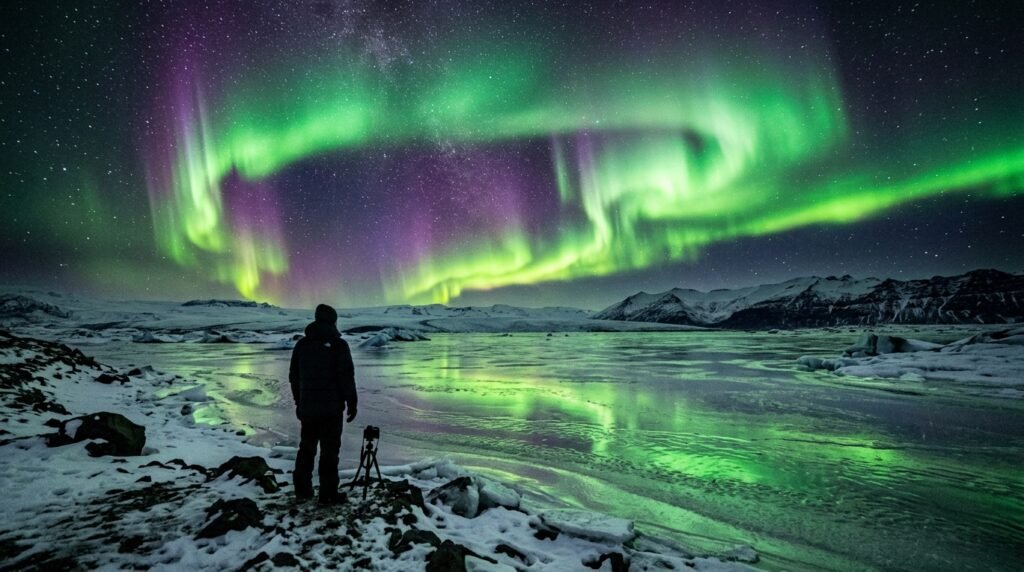
Steam rises from the Blue Lagoon at 7am. The water temperature hits you like a warm hug after Iceland’s October wind. I’m floating here completely alone, watching the sunrise paint the lava rocks pink, and honestly? This might be the most peaceful I’ve ever felt while traveling.
Iceland scores 9.8/10 on my solo travel scale, and the only reason it’s not perfect is the price tag.
Why Iceland Works for Solo Travel
The infrastructure here is flawless. Buses run on time. Everyone speaks English. The Ring Road is basically one giant circle, so getting lost requires actual effort.
But here’s what makes Iceland special for solo travelers: it’s designed for independent exploration. Most attractions don’t require tours. You can rent a car for $45/day, drive to a waterfall, and have it completely to yourself at 8am.
I spent eight days driving the Ring Road solo in October 2023. Total cost: $1,847 including flights from Austin. That breaks down to roughly $180/day once you factor in the rental car, gas, and accommodation.
The Iceland Reality Check
However, food costs are brutal. A basic sandwich at a gas station runs $18. A sit-down dinner easily hits $65. I survived on instant noodles and gas station hot dogs, which sounds depressing but honestly kept me under budget.
The weather can turn nasty fast. I planned to camp and ended up in guesthouses three nights because October storms don’t mess around. Budget an extra $400 for weather contingencies.
Maya’s Iceland Budget (8 days):
– Rental car: $360
– Gas: $280
– Accommodation: $720 (mix of hostels/guesthouses)
– Food: $320 (lots of instant noodles)
– Activities: $167 (Blue Lagoon, museum entries)
Worth noting: Iceland’s social scene exists primarily in Reykjavik hostels. The rest of the Ring Road is you, the scenery, and whatever podcast keeps you company.
Japan — Organized Chaos That Actually Works
The 6:47am train from Tokyo to Kyoto glides out of Shinagawa Station exactly on schedule. I’m clutching my rail pass like a lifeline, watching suburbia blur past at 200mph, and trying not to think about the $340 mistake I made yesterday.
Japan scores 9.6/10 for solo travel, but it comes with one massive caveat that cost me three days of my itinerary.
Why Japan Is Perfect for Nervous Solo Travelers
The infrastructure is so efficient it’s almost aggressive. Trains run every four minutes. Vending machines accept your IC card everywhere. Even in rural areas, someone will help you find your hostel using Google Translate and hand gestures.
I felt safer walking through Tokyo at midnight than I do walking through downtown Austin at 8pm. Crime rates are so low that people leave their phones on café tables to save seats.
The social aspect surprised me. Japanese hostels have a totally different vibe from European party hostels. People actually talk to each other in common rooms instead of staring at phones. Plus, being foreign makes you instantly interesting to other travelers.
The $340 Mistake Nobody Warns You About
Here’s where I screwed up spectacularly. I bought my JR Rail Pass after arriving in Japan, thinking I’d save money by waiting to see my actual travel plans.
Wrong. Rail passes can only be purchased outside Japan or through specific authorized dealers inside Japan — and those dealers charge a 30% markup. What should have cost $240 ended up costing $340, plus I lost a day hunting down a dealer in Shibuya.
The complete Japan rail pass strategy breaks down exactly when to buy what, but the short version: order your pass before you leave home. No exceptions.
Japan’s Hidden Solo Travel Perks
Capsule hotels are designed for solo travelers. I paid $32/night for my own pod with privacy curtain, shared bathroom, and sometimes a small onsen. Way better than cramped hostel bunks.
Convenience stores become your best friend. 7-Eleven sells actual meals for $4-7 that put American gas station food to shame. I lived on convenience store katsu sandwiches and didn’t hate my life.
Maya’s Japan Budget (14 days):
– Accommodation: $448 (mix of hostels/capsule hotels)
– JR Rail Pass: $340 (see mistake above)
– Food: $294 (heavy on convenience stores)
– Activities: $220 (temples, museums, one splurge meal)
– Local transport: $89
That said, language barriers are real outside tourist areas. Download Google Translate with offline Japanese. Seriously. It saved me at least five times.
Portugal — Europe’s Best-Kept Secret
The tram clatters up Lisbon’s hills at 11am, past buildings painted in colors that make you understand why people write poetry about Mediterranean light. I’m heading to a hostel in Bairro Alto that cost me €18 last night, and I can’t believe more Americans haven’t figured out Portugal yet.
Portugal scores 9.4/10 for solo travel and might be the most underrated destination in Europe.
Why Portugal Beats Spain, Italy, and France
Infrastructure that actually works. Trains connect major cities reliably. Buses fill gaps without making you question your life choices. Most importantly, English is widely spoken among younger Portuguese, especially in Lisbon and Porto.
The value proposition is insane. I spent 12 days in Portugal in May 2024 for $67/day total. That’s including flights from Austin, accommodation, food, transport, and a few splurges like the famous pastéis de nata tours.
But here’s what makes Portugal special: Portuguese people seem genuinely happy to help solo travelers. In Spain, I felt like I was bothering people. In Portugal, strangers gave me restaurant recommendations without being asked.
Lisbon vs. Porto vs. The Algarve
Lisbon wins for first-time solo travelers. Bigger hostel scene, more day trips, better transport connections. I stayed at Yes! Lisbon Hostel (€18/night) and made friends with travelers from eight countries in three days.
Porto has better food and fewer tourists, but the hostel scene is smaller. Perfect if you’re comfortable with more solo time.
The Algarve is gorgeous but honestly kind of boring solo unless you’re into beach lounging. Most of the social scene caters to couples and families.
The Portugal Food Scene
How to eat amazing Portuguese food on €15 a day — but the short version: Portuguese food is incredible and cheap. Fresh seafood, amazing wine, and pastries that make French patisseries look overpriced.
I averaged €12/day on food by mixing hostel breakfast, local lunch spots, and grocery store dinners. The wine costs less than water in some restaurants.
Maya’s Portugal Budget (12 days):
– Accommodation: €216 (mix of hostels)
– Food: €144 (lots of amazing seafood)
– Transport: €89 (trains, buses, trams)
– Activities: €67 (museums, tours, wine tastings)
– Flights: €340 (Austin to Lisbon)
The catch? August is brutal. Temperatures hit 40°C and every European tourist shows up simultaneously. Go in May or September instead.
Colombia — The Surprise Winner
The cable car rises over Medellín’s hills at sunset, carrying commuters home from work while tourists like me gawk at the view. Twenty minutes ago I was in Comuna 13, listening to a former gang member explain how street art transformed his neighborhood.
This is not the Colombia your parents warned you about.
Colombia scores 8.9/10 for solo travel, and honestly? It’s the destination that changed my mind about “dangerous” countries entirely.
Why Colombia Works Better Than People Think
Modern Colombian cities have infrastructure that puts some U.S. cities to shame. Medellín’s metro system is cleaner and more efficient than anything in Austin. Bogotá’s TransMilenio bus system actually functions. Free wifi everywhere.
The hostel scene is fantastic. Colombian hostels strike the perfect balance between social and chill. People hang out, share travel plans, organize group trips to places like Guatapé, but nobody pressures you to party until 4am.
Plus, your money goes incredibly far. I spent 16 days in Colombia for $52/day total, including domestic flights.
Safety Reality vs. Perception
However, Colombia requires more street smarts than Iceland or Japan. Don’t flash expensive gear. Use Uber instead of street taxis. Stay in popular neighborhoods after dark.
That said, I felt completely safe following basic precautions. The bigger risk is falling in love with the place and extending your trip (which happened to me twice).
The Colombian Cost Breakdown
Maya’s Colombia Budget (16 days):
– Accommodation: $176 (hostels averaging $11/night)
– Food: $144 (street food and local restaurants)
– Transport: $198 (including domestic flights)
– Activities: $89 (tours, museums, salsa lessons)
– Going-out: $67 (Colombia’s nightlife is legendary)
Colombian food deserves its own section. Empanadas for $1. Fresh fruit juices for $0.75. Multi-course lunch menus for $4. And the coffee — obviously the coffee is incredible and costs about $0.60 per cup.
The Language Factor
Spanish helps enormously, especially outside major cities. But I met plenty of solo travelers getting by with broken Spanish and translation apps. Colombians are incredibly patient with foreigners attempting their language.
Because here’s what nobody tells you about Colombia: it’s not just safe for solo travel. It’s actively welcoming.
New Zealand — Adventure Without the Anxiety
The bus winds through South Island mountains at 3pm, past lakes so blue they look fake and sheep that look like cotton balls scattered on green velvet. I’m the only passenger awake, which feels appropriate given that New Zealand seems designed for quiet contemplation between adrenaline rushes.
New Zealand scores 9.2/10 for solo travel, especially if you want adventure without the stress of navigating complex logistics.
Why New Zealand Is Perfect for Solo Adventurers
The tourism infrastructure is flawless because they’ve been perfecting it for decades. Every activity, from bungee jumping to glacier hiking, is professionally run with safety standards that would make helicopter parents proud.
English-speaking country means no language barriers, no translation fails, no accidentally ordering sheep’s brain instead of chicken.
But here’s what makes New Zealand special: the backpacker trail is so established that you can show up with zero plans and figure everything out as you go. Every hostel has a bulletin board with ride shares, activity bookings, and job listings.
The New Zealand Budget Reality
The downside? It’s expensive. I spent 18 days in New Zealand for $142/day, making it the priciest destination on this list after Iceland.
Budget strategies that actually work for expensive destinations covers tactics I used, but the basics: cook hostel meals, book activities in advance, use the hop-on-hop-off bus passes.
Maya’s New Zealand Budget (18 days):
– Accommodation: $504 (hostels averaging $28/night)
– Food: $432 (mix of groceries and takeaways)
– Transport: $389 (including hop-on bus pass)
– Activities: $567 (bungee, skydiving, glacier tour)
– Miscellaneous: $189
South Island vs. North Island for Solo Travel
South Island wins for scenery and outdoor activities. Queenstown’s hostel scene is legendary — solo travelers bond over shared terror before bungee jumping.
North Island has more cultural attractions and slightly better solo dining options. Auckland and Wellington have thriving food scenes beyond backpacker fare.
Most solo travelers do both islands. The ferry between them costs $55 and takes 3 hours — basically a scenic cruise included in your transport costs.
The catch with New Zealand? It’s addictive. Half the backpackers I met were on their second or third visit. Plan accordingly.
The Numbers Game — What You’ll Actually Spend
Let’s talk real numbers because budget estimates on most travel blogs are complete fiction.
Here’s what I actually spent per day in each destination, including everything from flights to late-night snacks:
Daily Costs by Destination (USD)
| Destination | Accommodation | Food | Transport | Activities | Total/Day |
|---|---|---|---|---|---|
| Iceland | $90 | $40 | $35 | $21 | $186 |
| Japan | $32 | $21 | $17 | $16 | $86 |
| Portugal | $18 | $12 | $7 | $6 | $43 |
| Colombia | $11 | $9 | $12 | $6 | $38 |
| New Zealand | $28 | $24 | $22 | $31 | $105 |
These numbers include domestic transport, accommodation, food, activities, and miscellaneous expenses. They do NOT include international flights, which vary wildly based on your departure city and booking timing.
The Hidden Costs Nobody Mentions
Visas and entry fees add up. New Zealand charges $35 for an electronic visa. Colombia requires yellow fever vaccination proof (vaccine costs $200+ in the US).
Travel insurance is mandatory for several destinations. Iceland and New Zealand require proof of coverage. Budget $200-400 for comprehensive coverage depending on trip length.
ATM fees destroy budgets. I lost $180 to foreign transaction fees across five countries before getting a travel credit card that reimburses ATM fees . Get this sorted before you leave.
Budget vs. Splurge Versions
Each destination has a budget and splurge version:
Budget Portugal: €25/day (hostel dorms, grocery meals, free walking tours)
Splurge Portugal: €85/day (boutique hotels, restaurant dinners, wine tours)
Budget Colombia: $35/day (local hostels, street food, public transport)
Splurge Colombia: $95/day (private rooms, nice restaurants, private tours)
The middle ground usually offers the best experience. Staying in hostel private rooms instead of dorms, eating one restaurant meal per day, mixing free and paid activities.
Solo Travel Safety — Beyond the Government Warnings
The U.S. State Department travel advisories are useful starting points but they’re not the whole story. Colombia has a Level 3 advisory (“Reconsider Travel”) but I felt safer in Medellín than I do in downtown Miami.
Real Safety Factors That Matter More Than Government Warnings
Healthcare Infrastructure: Can you get decent medical care if something goes wrong? Japan and New Zealand excel here. Colombia’s private healthcare is excellent in major cities. Iceland’s system is world-class but expensive for non-EU citizens.
Transport Reliability: Will buses and trains actually show up? Do taxis use meters? Are ride-sharing apps available? This matters more than crime rates for day-to-day safety.
Tourist Police: Do local authorities actively protect tourists? Colombia, Japan, and Portugal all have dedicated tourist police units. Iceland and New Zealand don’t need them because crime is so low.
Maya’s Safety Hierarchy
Based on my experience as a solo female traveler:
Tier 1 (Almost Impossible to Have Safety Issues): Iceland, Japan, New Zealand
Tier 2 (Safe with Basic Precautions): Portugal
Tier 3 (Safe with Street Smarts): Colombia
The Safety Measures That Actually Work
Trust your gut. If a situation feels wrong, it probably is. I’ve bailed on hostels, neighborhoods, and even entire cities based on instinct alone.
Share your location constantly. I send my daily itinerary to my roommate in Austin every morning. Sounds paranoid, but it takes 30 seconds and provides peace of mind.
Have backup plans. I carry two debit cards from different banks, backup copies of documents in separate bags, and emergency cash in multiple currencies.
The catch with solo travel safety? The biggest risks are usually the boring ones — food poisoning, missed connections, lost passports — not the dramatic scenarios people worry about.
Frequently Asked Questions
Which destination is best for first-time solo travelers?
Portugal, hands down. English is widely spoken, infrastructure works, costs are reasonable, and the hostel scene is social without being overwhelming. It’s Europe-easy with developing-country prices.
How do you meet people when traveling solo?
Stay in hostels, not private accommodations. Join free walking tours on your first day in each city. Say yes to group dinners and day trips even when you’d rather stay in your comfort zone. The connections happen naturally when you put yourself in social situations consistently.
Is solo travel actually safe for women?
Safer than most people assume, but it requires more planning than traveling with others. Stick to destinations with good infrastructure, trust your instincts, and have backup plans. I’ve traveled solo to 43 countries as a woman and the biggest dangers have been food poisoning and missed flights, not personal safety.
What’s the biggest mistake solo travelers make?
Over-planning. Your itinerary will change anyway, so book accommodation for the first few nights and figure out the rest as you go. The best experiences happen when you have flexibility to extend stays in places you love or bail on places that don’t work.
How much should I budget for solo travel?
Depends entirely on destination and travel style, but budget an extra 20-30% above your estimates for solo supplements and unexpected costs. Solo rooms cost more than shared rooms. Eating alone means no splitting restaurant bills. But the experiences are worth the premium.
The Bottom Line on Solo Travel
Here’s what three years of solo travel taught me: the best solo travel destinations aren’t necessarily the safest, cheapest, or most Instagram-worthy. They’re the places where you can mess up and still have an amazing time.
Portugal remains my top recommendation for first-timers — it’s got the perfect combination of European infrastructure, reasonable costs, and genuine warmth toward solo travelers. Japan ranks second for anyone who wants efficiency and adventure without language barriers being a constant stress.
Colombia surprised me the most. It’s the destination that taught me to question travel stereotypes and trust my own judgment over government warnings and parental anxiety.
That woman I watched check into the Lisbon hostel? She’ll probably have the time of her life. Because the truth about solo travel is simpler than all the safety warnings and budget spreadsheets make it seem.
You figure it out as you go. And you come back with stories nobody else could have lived but you.