The 10 Best Road Trips in the USA — Routes, Costs & Insider Tips
I’m sitting in a gas station in Mojave at 2:47am, my rental car’s AC cranking against 98-degree heat, watching a tumbleweed literally roll past the pump. Three hours ago I was in Los Angeles traffic. Now I’m in the middle of absolute nowhere, and honestly? This is exactly why the best road trips USA has to offer will ruin you for regular vacations forever.
Americans drive 3.2 trillion miles annually, but most of us stick to the same boring interstate highways. Which means you’re missing out on routes that’ll make you understand why Jack Kerouac couldn’t shut up about the open road. These aren’t your typical “drive the PCH” recommendations — though that one’s here too, because it’s iconic for a reason.
By the end of this, you’ll know exactly which routes are worth the gas money, what each one actually costs (I’ve driven nine of these personally), and which hidden stops will make your friends’ Instagram feeds look basic. Plus the mistakes that’ll cost you $200+ if you don’t plan ahead.
Table of Contents
- Pacific Coast Highway — California’s Greatest Hits
- Route 66 — The Mother Road (Oklahoma to California)
- Blue Ridge Parkway — Appalachian Magic
- Great River Road — Mississippi’s Liquid Highway
- Going-to-the-Sun Road — Glacier National Park
- Scenic Byway 12 — Utah’s Alien Landscape
- Trail Ridge Road — Colorado’s Sky-High Drive
- Overseas Highway — Florida Keys Island Hopping
- Beartooth Highway — Montana/Wyoming Wilderness
- North Cascades Highway — Washington’s Alpine Loop
Pacific Coast Highway — California’s Greatest Hits
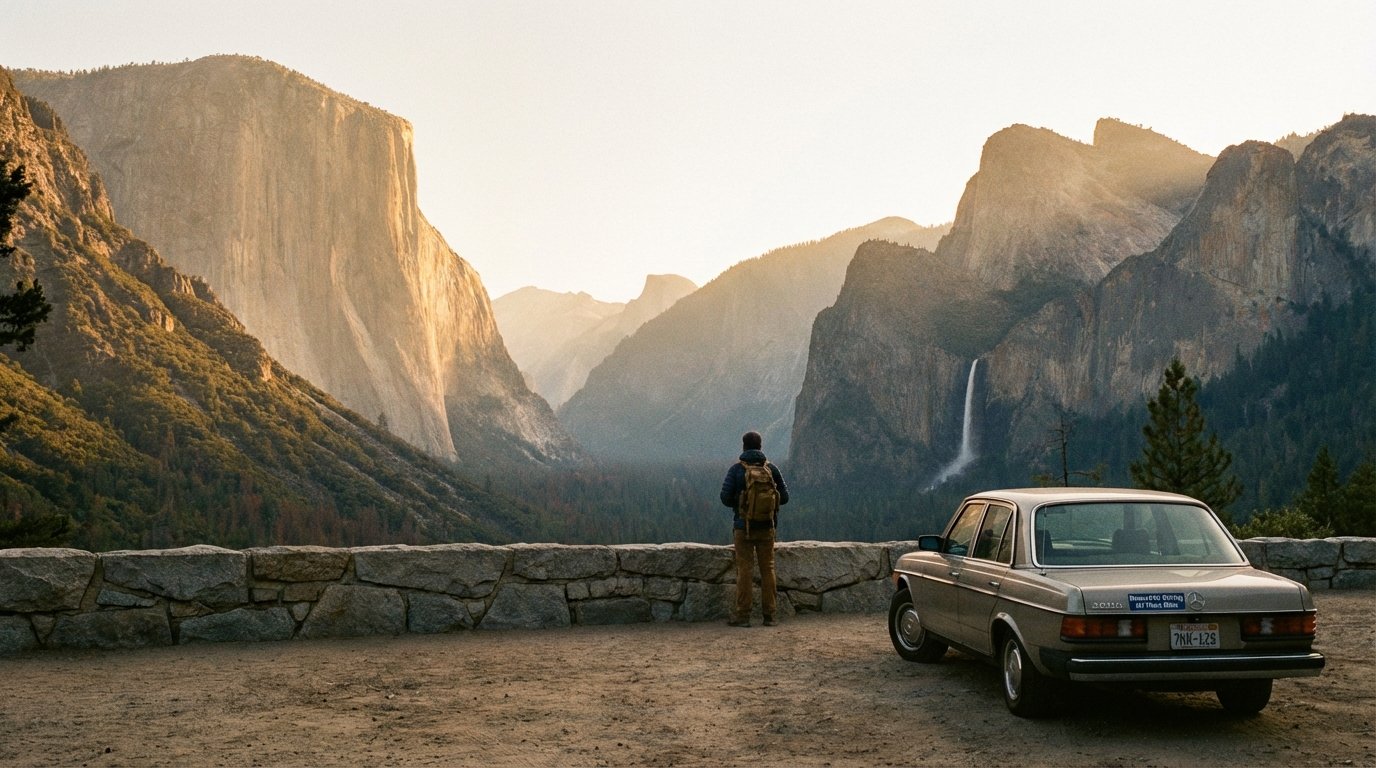
The fog rolls in around Big Sur like clockwork at 4pm. You’re driving 35mph on cliffs that drop straight into the Pacific, and every turn reveals another postcard that shouldn’t exist in real life. This is Highway 1 between San Francisco and Los Angeles — 650 miles of California showing off.
I drove this in a beat-up Corolla in September 2022. Gas was $6.14 a gallon (thanks, California), but the views cost nothing. Here’s what you’ll actually spend:
Real PCH Costs (7 days):
– Gas: $340 (assuming 25mpg, current prices)
– Lodging: $180/night average (splurge nights $300+, budget motels $120)
– Food: $65/day (mix of roadside diners and one fancy Monterey dinner)
– Park fees: $35 (parking at state beaches, Hearst Castle tour)
– Total: $1,635 for one person
The stretch between Carmel and San Simeon is where magic happens. Elephant seals at Año Nuevo State Park (free to watch from the viewing platform). McWay Falls dropping straight onto the beach. Hearst Castle looking like a European fever dream.
Best Stops Nobody Mentions
Pull over at Bixby Creek Bridge — not just for photos, but because there’s a hiking trail on the south side that gets you away from the tour buses. The lighthouse at Point Sur ($15 tour) tells stories about shipwrecks that’ll make you respect these waters differently.
But here’s what most people get completely wrong about the PCH.
Route 66 — The Mother Road Gets a 2026 Renaissance
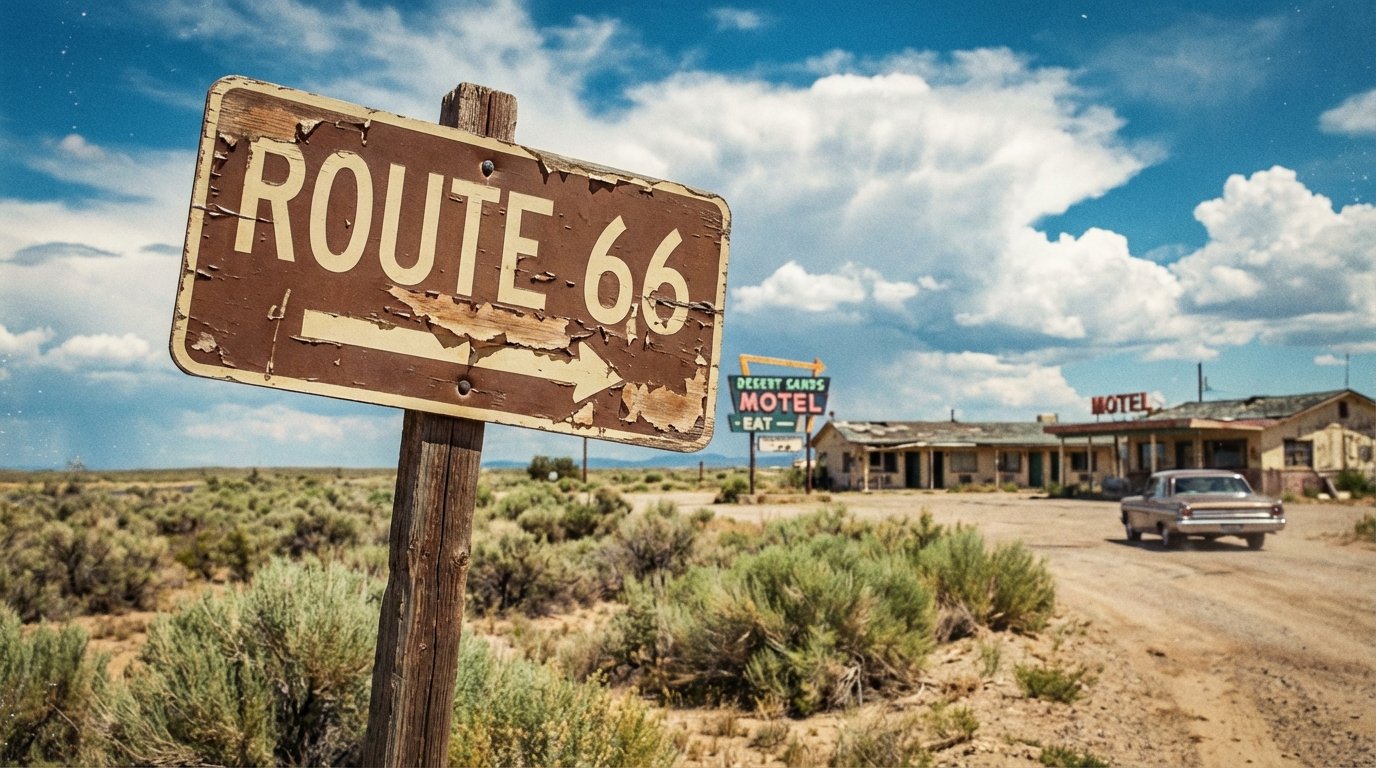
Route 66 turns 100 years old in 2026. Which means every tourism board between Chicago and Santa Monica is planning centennial celebrations, pop-up museums, and probably some seriously overpriced commemorative merchandise.
The full route covers 2,448 miles across 8 states. I drove the Oklahoma-to-California stretch in 2023 — 5 days, $847 total, and zero regrets about skipping the Illinois corn fields.
Oklahoma City to Santa Monica Costs:
– Gas: $298 (1,400 miles, 28mpg highway)
– Motels: $89/night average (classic Route 66 motor lodges)
– Food: $42/day (diners, BBQ joints, gas station snacks)
– Attractions: $65 (Cadillac Ranch spray paint, meteor crater, random roadside fees)
– Total: $847
The Blue Whale of Catoosa, Oklahoma looks exactly as weird as you’d expect. Cadillac Ranch in Amarillo hands you spray paint cans and lets you tag buried cars — bring $8 for paint, it’s worth it. The Wigwam Village Motel in Holbrook, Arizona charges $79 to sleep inside a concrete teepee, and yes, you should absolutely do this.
Route 66’s Hidden Gem
Skip the overcrowded Grand Canyon crowds. Instead, take the 18-mile detour to Meteor Crater near Winslow, Arizona. It’s a perfectly preserved impact site from 50,000 years ago, and standing at the rim makes you feel cosmically insignificant in the best way possible.
However, here’s the thing about Route 66 that nobody warns you about: half the “historic” route runs parallel to I-40, which means you’re constantly choosing between authenticity and speed. vanlife cost breakdown becomes crucial here — many stretches work better with a camper van than hotels.
Blue Ridge Parkway — Appalachian Magic Without the Crowds
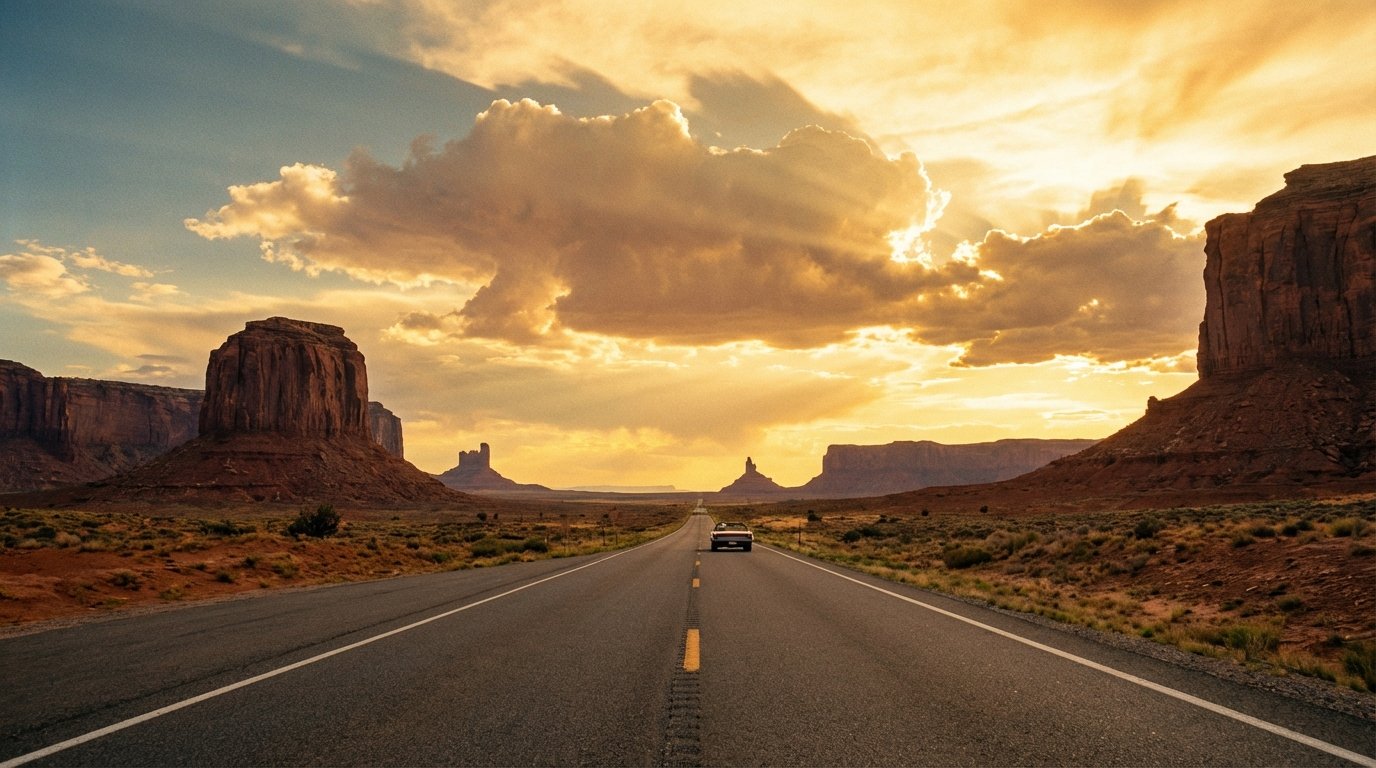
This 469-mile scenic highway connects Shenandoah National Park in Virginia to Great Smoky Mountains National Park in North Carolina. It’s America’s most visited National Park unit, which sounds crowded until you realize it’s also 469 miles long. Crowds dilute quickly across that much asphalt.
I drove this in October 2021 during peak fall colors. Everyone said I was crazy to attempt peak foliage season, but Wednesday mornings in October? Nearly empty.
Blue Ridge Parkway Costs (5 days):
– Gas: $156 (slower speeds mean better mileage)
– Lodging: $134/night (mix of B&Bs and mountain lodges)
– Food: $48/day (mountain town cafés, packed lunches for drives)
– Park fees: $30 (entrance fees both ends)
– Total: $904
Craggy Pinnacle offers 360-degree mountain views after a 1.4-mile hike. Linville Falls drops 90 feet in multiple tiers — take the moderate trail to the upper viewpoint, not the tourist-packed lower platform. Grandfather Mountain’s Mile High Swinging Bridge costs $22 but delivers views across four states on clear days.
Fall Colors Strategy
Peak color timing shifts roughly 100 feet in elevation per day. Check the park service’s weekly foliage reports, then plan your route to chase the peak from north to south. Early October at Shenandoah, mid-October around Boone, late October in the Smokies.
The stretch between Asheville and Cherokee is where you’ll understand why John Denver wrote songs about these mountains.
Great River Road — Following the Mississippi’s Liquid Highway
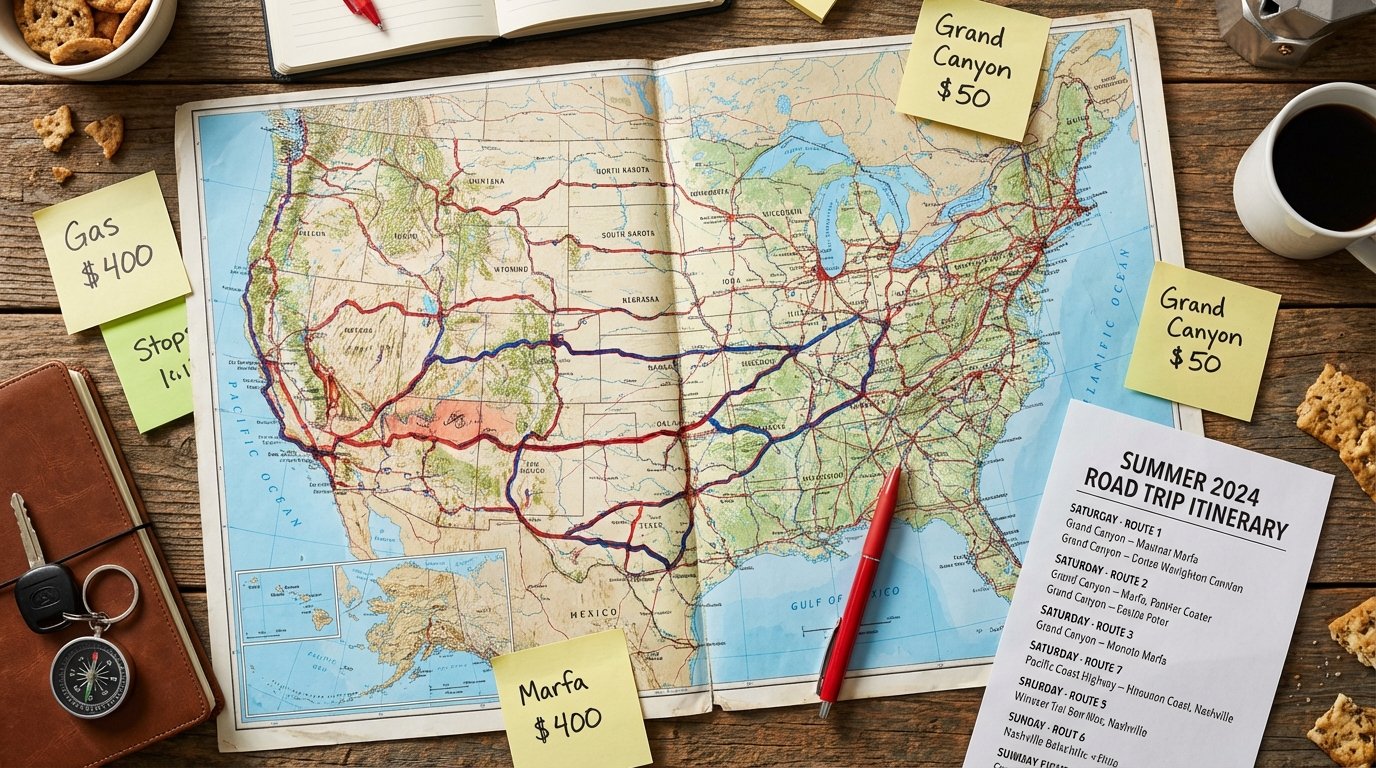
The Great River Road parallels the Mississippi River for 3,000 miles across 10 states. Most people attempt the whole thing and burn out somewhere around Iowa. Smart travelers pick one iconic section and do it properly.
I chose Minnesota to Louisiana — 1,200 miles of American history flowing past your passenger window. Mark Twain’s childhood home in Hannibal, Missouri. Antebellum mansions in Natchez. Blues clubs in Clarksdale where Robert Johnson supposedly sold his soul.
Great River Road Costs (Minnesota to New Orleans, 6 days):
– Gas: $267 (lots of small towns, gas prices vary wildly)
– Lodging: $95/night average (historic inns, riverboat B&Bs)
– Food: $52/day (catfish, gumbo, gas station boudin in Louisiana)
– Attractions: $78 (plantation tours, blues museums, riverboat rides)
– Total: $987
Hannibal, Missouri feels frozen in 1876. The Mark Twain Cave tour ($22) takes you through actual caves Tom Sawyer explored in the novels. In Memphis, Beale Street comes alive after 9pm with blues spilling out of every doorway.
Louisiana’s Hidden Stretch
South of Baton Rouge, the River Road becomes something else entirely. Oak Alley Plantation ($25 tour) has the Instagram-famous tree tunnel. But drive another 45 minutes to Laura Plantation ($22) for stories they don’t sanitize for tourists. It’s uncomfortable history told honestly.
However, here’s where most people get the Great River Road completely wrong — they focus on the big cities and miss the small river towns where the real culture lives.
Going-to-the-Sun Road — Glacier National Park’s 50-Mile Mountain Highway
This 50-mile mountain road across Glacier National Park opens fully only 4 months a year. Snow closes sections from October to June, which means your window is July through September. Period.
I drove this in August 2022 during peak season. Traffic crawled at 15mph in places, but when you’re surrounded by glacial peaks and mountain goats, nobody’s honking.
Going-to-the-Sun Road Costs (3 days):
– Park entrance: $35 (7-day pass)
– Gas: $89 (short drive, but remote stations charge premium)
– Lodging: $267/night (Lake McDonald Lodge books up 11 months ahead)
– Food: $73/day (limited options, everything’s expensive inside the park)
– Total: $1,020 for 3 days
Logan Pass sits at 6,646 feet elevation with alpine meadows that look like Switzerland minus the cheese prices. The Hidden Lake Overlook trail is 1.5 miles of relatively easy walking that delivers mountain goat sightings and glacier views. Avalanche Lake requires more effort (4.6 miles roundtrip) but rewards you with waterfalls cascading directly off cliff faces.
Logistics Nobody Explains
The road’s western entrance from West Glacier stays open year-round. The eastern entrance from St. Mary closes October to May. If you’re visiting in shoulder season (June or September), call ahead — weather can shut down sections with 2 hours’ notice.
budget hiking trails worldwide becomes essential here since Glacier’s day hikes offer some of America’s most accessible alpine scenery.
Scenic Byway 12 — Utah’s Alien Landscape Highway
Utah’s Highway 12 connects Bryce Canyon and Capitol Reef National Parks through landscape that doesn’t look terrestrial. Red rock formations twisted into impossible shapes. Slot canyons narrow enough to touch both walls. Desert that shifts from Mars-red to sunset-orange as light changes.
This 124-mile route took me 3 days in May 2023. Spring timing was perfect — warm days, cool nights, wildflowers blooming in impossible places.
Scenic Byway 12 Costs (4 days):
– Gas: $78 (short distances, but limited stations)
– Park fees: $70 (Bryce Canyon $35, Capitol Reef $15, state park fees)
– Lodging: $143/night (Ruby’s Inn near Bryce, Capitol Reef Resort)
– Food: $58/day (Escalante has limited dining, pack snacks)
– Total: $842
Dixie National Forest surrounds the highway with ponderosa pines at 9,000 feet elevation. Then you drop into red rock desert around Escalante. The contrast happens in 20 minutes of driving — mountain forest to Martian landscape.
The Scenic Drive Everyone Misses
Between Escalante and Boulder, Highway 12 becomes the Hogback — a ridgeline road with 1,000-foot drops on both sides. No guardrails. Just you, the asphalt, and views that make you understand why early settlers called this area “the worst country in the world to get lost in.”
Capitol Reef’s petroglyphs tell 1,000-year-old stories on cliff walls. Bryce Canyon’s hoodoos (rock pillars) create a natural amphitheater that changes color throughout the day. Sunrise Point at 6:30am shows reds and oranges that cameras can’t capture properly.
But here’s the catch — and there is always a catch — this route requires high-clearance vehicles for many side roads, and cell service disappears for 50-mile stretches.
Trail Ridge Road — Colorado’s Sky-High Drive to 12,183 Feet
Trail Ridge Road climbs to 12,183 feet elevation through Rocky Mountain National Park. That’s higher than most commercial flights cruise. The air is thin enough that you’ll feel lightheaded walking from your car to viewpoints.
I drove this in July 2021 during wildflower season. Alpine Lake trailheads were crowded, but the drive itself rewards patience with elk sightings and 360-degree mountain views.
Trail Ridge Road Costs (2 days):
– Park entrance: $30 (7-day pass)
– Gas: $134 (altitude reduces fuel efficiency significantly)
– Lodging: $189/night (Estes Park hotels charge premium in summer)
– Food: $67/day (mountain town prices, limited options)
– Total: $609
The Alpine Visitor Center sits at 11,796 feet with educational displays about surviving above treeline. From here, the Ute Trail leads across tundra that exists nowhere else in Colorado. Bighorn sheep graze within 50 feet of the parking area most mornings.
Altitude Reality Check
Above 10,000 feet, your body starts working harder. Drink water constantly, move slowly, and don’t attempt strenuous hikes your first day at elevation. The road closes entirely October through May due to snow — and I mean completely closed, not just “drive carefully.”
Forest Canyon Overlook provides views across peaks that stretch to Kansas on clear days. Really. The curvature of the Earth becomes visible from certain viewpoints when atmospheric conditions align.
Overseas Highway — Florida Keys Island-Hopping to Key West
The Overseas Highway connects the Florida mainland to Key West via 42 bridges across 113 miles of open ocean. It’s the only road in America where you’re surrounded by water on both sides for hours.
I drove this in February 2023 — perfect timing to escape winter elsewhere while Florida enjoys 78-degree days and minimal humidity.
Overseas Highway Costs (3 days):
– Gas: $67 (short distance, but island gas prices are brutal)
– Lodging: $234/night average (Key West hotels are insanely expensive)
– Food: $89/day (fresh fish costs, but it’s worth every dollar)
– Attractions: $45 (Glass-bottom boat tour, Hemingway House cats)
– Total: $1,033
Seven Mile Bridge offers unobstructed ocean views in every direction. The old bridge runs parallel as a fishing pier — park and walk out for sunset photos without tourist crowds. Bahia Honda State Park has beaches that rival Caribbean resorts at a fraction of the cost ($8 day-use fee).
Key West Reality
Key West is spring break energy year-round. If that’s not your vibe, stay in Islamorada or Marathon instead. Same access to fishing and diving, half the crowds, and lodging that won’t require a second mortgage.
The drive back at sunrise reveals completely different landscapes — morning light transforms the same bridges and islands you saw at sunset into something entirely new.
solo female travel safety tips becomes particularly relevant for this route since many stops involve isolated beaches and small island communities.
Beartooth Highway — Montana/Wyoming’s Most Dramatic Mountain Pass
The Beartooth Highway climbs to 10,947 feet through Absaroka and Beartooth Mountains between Red Lodge, Montana and Cooke City, Montana (via Wyoming). This 68-mile route opens only late May through mid-October — weather permitting.
I attempted this in September 2022 and got turned back by an early snowstorm at 9,000 feet. Returned two days later to perfect conditions and understood why motorcyclists make pilgrimages here.
Beartooth Highway Costs (2 days):
– Gas: $89 (mountain driving reduces efficiency)
– Lodging: $156/night (Red Lodge has limited options in season)
– Food: $73/day (pack lunches — dining options are sparse)
– Total: $487
The switchbacks above Red Lodge gain 4,000 feet in elevation over 12 miles. Your ears pop repeatedly as you climb through distinct ecological zones — foothills grassland to alpine tundra in 30 minutes of driving.
Rock Creek Vista Point sits at 9,200 feet with views across peaks that stretch into Yellowstone National Park. In late summer, you can see snow-capped mountains and wildflower meadows in the same photograph.
Weather Window Warning
This road closes with little warning. September snow can shut it down overnight, and it doesn’t reopen until June. Check road conditions obsessively if you’re planning a trip during shoulder seasons.
The descent into Cooke City reveals why early explorers called these mountains impassable. Peaks rise directly from valley floors without foothills — raw, vertical landscape that makes you feel very small.
North Cascades Highway — Washington’s Alpine Loop Through America’s Alps
Washington State Route 20 cuts through North Cascades National Park — some of the most dramatic mountain scenery in the lower 48 states. The Cascade Range creates weather patterns that dump 500+ inches of snow annually, which means this highway closes completely November through April.
I drove this in August 2021 during perfect weather. Clear skies, 75-degree days, and wildflower meadows that stretched to treeline.
North Cascades Highway Costs (3 days):
– Gas: $98 (mountain driving, limited stations)
– Lodging: $178/night (mountain lodges book up fast in summer)
– Food: $61/day (small mountain towns, limited restaurants)
– Park fees: $0 (no entrance fee for the scenic drive)
– Total: $695
Washington Pass Overlook sits at 5,477 feet with views of Liberty Bell Mountain’s granite spires. The observation deck provides 360-degree mountain views without requiring any hiking beyond the parking lot.
Diablo Lake’s turquoise water comes from glacial flour — microscopic rock particles suspended in meltwater that create an otherworldly blue-green color. The overlook requires a 1.2-mile hike but rewards you with one of Washington’s most photographed vistas.
Cascade Reality Check
This region receives more annual precipitation than anywhere else in the continental U.S. Even in summer, afternoon thunderstorms are common. Pack rain gear regardless of the morning forecast.
The highway reopens in late spring whenever avalanche danger subsides — usually May, but mountain weather doesn’t follow calendars. Call ahead.
However, when conditions align, this drive delivers alpine scenery that rivals Switzerland at American road trip prices.
Planning Your American Road Trip — The Real Costs
Here’s what I wish someone had told me before my first cross-country drive: road trips cost more than flights + hotels, but they’re worth every dollar for the freedom alone.
Average Daily Costs by Route Type:
– Coastal drives (PCH, Keys): $180-240/day
– Mountain passes (Glacier, Colorado): $150-200/day
– Desert routes (Route 66, Utah): $120-160/day
– River/forest drives (Blue Ridge, Great River): $130-170/day
Gas prices fluctuate wildly by region — California and mountain areas charge $1-2 more per gallon than Midwest averages. Budget an extra 20% for fuel costs in remote areas.
The Hidden Costs Nobody Mentions
- Rental car mileage fees (if over 150 miles/day)
- National Park annual pass: $80 (pays for itself after 3 parks)
- Emergency roadside assistance: $89/year AAA membership
- Phone car chargers, paper maps, emergency water: $65
- Parking in tourist towns: $5-25/day in peak areas
budget airlines for domestic connections can help if you want to fly one-way and drive back, but rental companies charge hefty one-way fees.
Frequently Asked Questions
When is the best time for American road trips?
Late spring (May) and early fall (September) offer the best combination of weather and lower tourism crowds. Summer means higher prices and packed attractions, while winter closes many mountain routes entirely. However, desert routes like those in Utah and Arizona are perfect in winter months when temperatures are comfortable.
How much should I budget per day for a US road trip?
Budget $150-200 per day for one person including gas, lodging, food, and park fees. Coastal routes and mountain destinations cost more due to limited lodging options and premium gas prices. Desert and prairie routes typically run $120-160 per day with more budget accommodation choices.
Do I need special insurance or preparations for mountain road trips?
Standard rental car insurance covers mountain driving, but consider roadside assistance coverage for remote areas. Pack emergency supplies: water, snacks, phone charger, and paper maps since cell coverage disappears in many mountain regions. Check road closure websites obsessively — weather can shut down mountain passes with hours of notice.
What’s the most underrated road trip route in America?
The Great River Road through Louisiana gets overlooked because people assume it’s just swampland and industrial areas. Actually, it’s antebellum architecture, incredible Creole cuisine, and genuine blues culture without tourist prices. Plus, Louisiana has the most relaxed open container laws if you’re into wine country-style touring.
Should I book accommodations ahead or drive spontaneously?
Book ahead for mountain destinations (Glacier, Rocky Mountain, North Cascades) and coastal areas during summer — these fill up 6+ months early. Desert routes and Great Plains areas offer more flexibility with chain motels and campgrounds accepting walk-ins. Spring and fall shoulder seasons provide the best balance of availability and spontaneity.
The Open Road is Calling (And Your Credit Card is Ready)
These ten routes represent four years of personal road trip research across 47 states. Some delivered exactly what I expected. Others completely surprised me — usually in ways that made me extend the trip by three days and blow my budget.
The thing about American road trips that nobody tells you: they’re addictive in a way that resort vacations never are. Because once you’ve watched sunrise from 12,000 feet in Colorado or driven through red rock formations that look like another planet, flying becomes something you do when you’re in a hurry, not when you want to see America.
Your phone will lose signal. Your playlist will get old somewhere in Nevada. You’ll eat gas station pizza and call it dinner. And you’ll come home with stories that make your friends immediately start planning their own routes.
Pick one. Pack snacks. Point your car toward adventure.