Greek Islands on a Budget: The Honest Guide to Doing Greece for Less
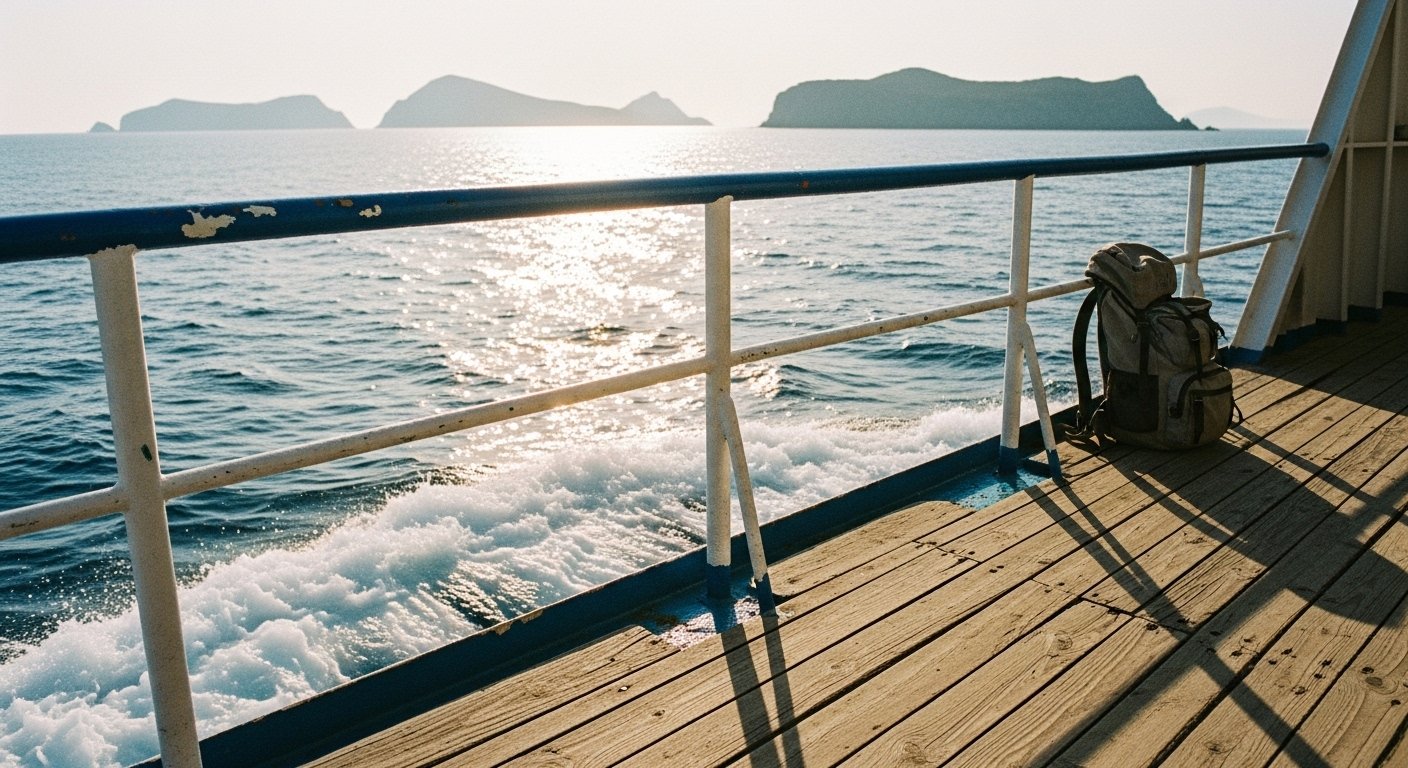
The ferry from Piraeus to Naxos costs €37. I’m sitting on deck at 6:14am with a terrible coffee and watching Santorini’s cliffs fade into morning haze.
Everyone told me Greek islands budget travel was impossible in 2024. “You’ll spend €150 a day minimum,” they said. “Everything’s overpriced now.”
They were wrong.
I just spent three weeks island-hopping across six Greek islands for exactly $67 per day — including flights from Austin. That’s accommodation, all meals, ferries, a rental scooter on Milos, and way too much wine in Paros tavernas.
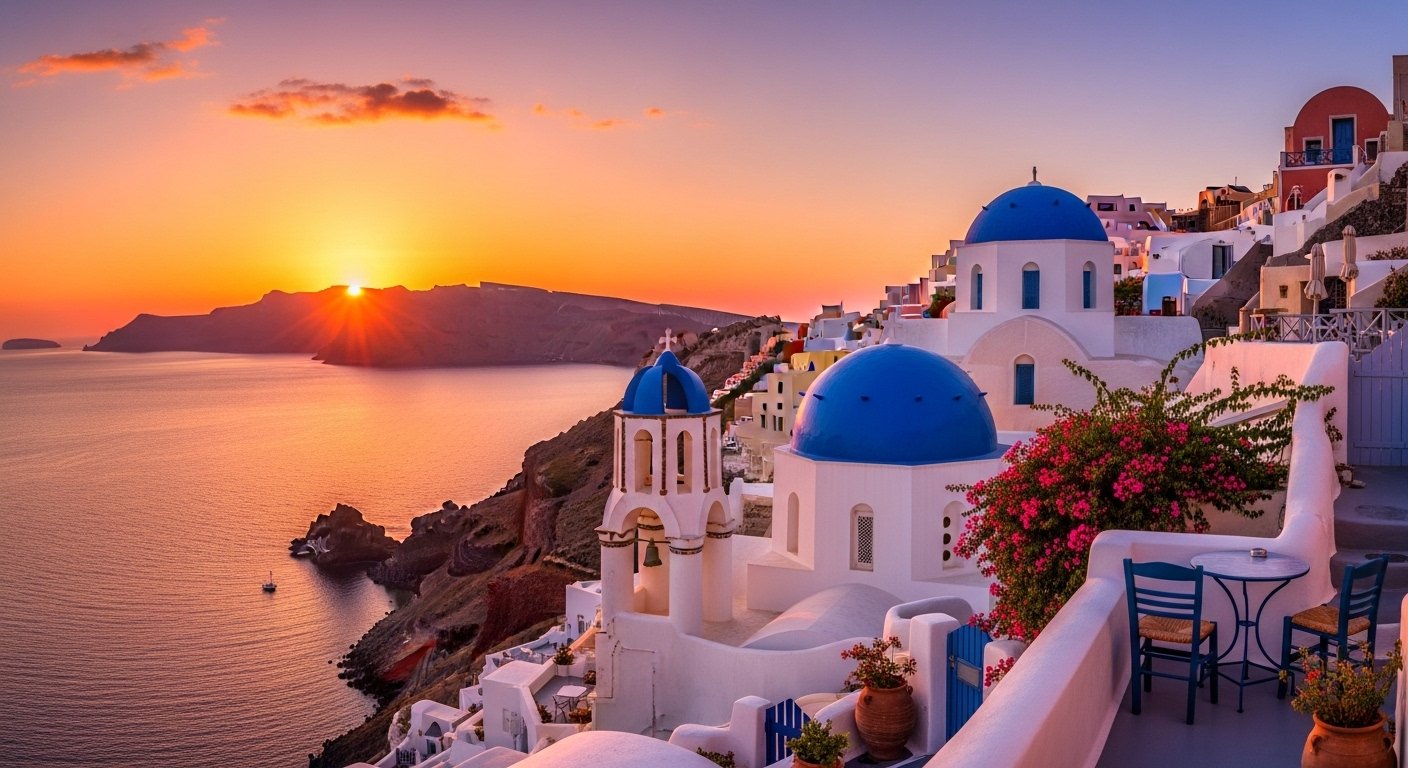
The trick isn’t avoiding the Greek islands. It’s picking the right ones and knowing where locals actually eat, sleep, and drink. By the end of this, you’ll know which islands to skip, which ferry routes save you $40, and how to find those €12 taverna dinners that taste better than anything you’ll get near the Oia sunset crowds.
Table of Contents
- Why Most People Overspend on Greek Islands (And How to Avoid It)
- The Real Greek Islands Budget Travel Breakdown
- Cheapest Islands vs. Tourist Traps: Where to Go
- Ferry System Hacks That Save Hundreds
- Where to Sleep Without Breaking the Bank
- Eating Well for €20 a Day (Including Wine)
- Island-Specific Budget Tips You Won’t Find Elsewhere
- FAQ: Greek Islands Budget Travel
- The Bottom Line
Why Most People Overspend on Greek Islands (And How to Avoid It)
The problem starts before you even book anything.
Most people plan Greek islands budget travel backwards. They pick Santorini and Mykonos because that’s what Instagram shows them. Then they try to make those destinations work on a budget. Which is like trying to do Manhattan on $50 a day — technically possible, completely miserable.
Here’s what actually happens when you follow that route: you’ll pay €80-120 for a basic room in Oia. Restaurant meals cost €25-35 per person. Even a simple gyros runs €8-12 in the tourist areas. The sunset viewing spots charge cover fees. That “cheap” hostel bed in Mykonos town? €45 in August.
I made this exact mistake in 2019. Spent five days in Santorini and burned through $400 before I’d even seen half the island. The food was mediocre, the beaches were crowded, and every photo spot had a queue longer than airport security.
But here’s the thing nobody tells you about Greek islands budget travel — there are 6,000 islands in Greece. Most tourists visit the same four.
The others? They’re cheaper, less crowded, often more beautiful, and full of Greeks who actually want to talk to you instead of just selling you €9 cocktails.
That’s where the real budget magic happens.
The Real Greek Islands Budget Travel Breakdown
Let me show you the actual numbers from my three-week trip in September 2024. This isn’t theoretical — these are receipts.
Daily Costs (per person, averaged across 21 days):
– Accommodation: $22/day (mix of hostels, guesthouses, one splurge hotel)
– Food: $18/day (breakfast, lunch, dinner including drinks)
– Transportation: $12/day (ferries, local buses, scooter rental)
– Activities: $8/day (beach clubs, museum entries, cave tours)
– Random stuff: $7/day (pharmacy, laundry, that ceramic bowl I had to buy)
Total: $67/day or $1,407 for three weeks
The flight from Austin to Athens ran me $680 roundtrip through Delta (booked via Google Flights, six weeks out). So total trip cost: $2,087 for 21 days in the Greek islands.
Compare that to what most people budget. budget travel Europe guide estimates most travelers spend $120-180 per day in Greece. My daily average was less than half that.
Monthly Comparison: Greece vs Other Destinations
| Destination | Daily Budget | Monthly Cost |
|---|---|---|
| Greek Islands | $67 | $2,010 |
| Italy | $85 | $2,550 |
| Spain | $72 | $2,160 |
| Portugal | $58 | $1,740 |
| Turkey | $45 | $1,350 |
The catch? You have to be willing to skip the Instagram spots and dig a little deeper. Most people aren’t. Their loss.
What Made This Greek Islands Budget Travel Possible
Three things changed everything:
1. Island Selection: I spent zero days on Santorini or Mykonos. Instead: Naxos (5 days), Paros (4 days), Milos (3 days), Samos (4 days), Crete (3 days), Athens (2 days).
2. Timing: September is the sweet spot. Weather’s still perfect, crowds have thinned, but accommodation prices haven’t hit winter lows where half the restaurants close.
3. Ferry Strategy: I booked point-to-point tickets instead of island-hopping packages. Saved about $180 total and gave me flexibility to extend stays when I found islands I loved.
Cheapest Islands vs. Tourist Traps: Where to Go
This is where Greek islands budget travel gets interesting. The price difference between islands is staggering — we’re talking 3x cost differences for essentially the same experience.
The Budget Champions
Naxos is everything Santorini pretends to be, for a third of the price. Gorgeous beaches, incredible sunsets (without the crowds), mountain villages, and food that doesn’t make you question your life choices. I stayed at Naxos Rock Hostel for €18/night, ate at family tavernas for €12-15 per meal, and rented a scooter for €15/day to explore beaches that looked straight out of a postcard.
Samos surprised me completely. It’s green, mountainous, has some of Greece’s best wine, and costs almost nothing. My guesthouse room overlooking Pythagorion harbor was €25/night. Fresh fish dinners at the port cost €16 including wine. The beaches rival anything in the Cyclades, minus the €30 parking fees.
Milos is the geological wonder nobody talks about. Volcanic beaches in impossible colors, hot springs, and fishing villages where tourists are still a novelty. Accommodation runs €20-35/night, even in summer. The downside? Getting there takes forever and ferries are limited.
Paros sits right between budget and upscale perfectly. Cheaper than Santorini, more developed than Naxos, with enough nightlife to keep you interested and enough authenticity to feel real. Plus it’s a ferry hub, so island hopping is easier.
The Tourist Traps (Skip These for Budget Travel)
Santorini is beautiful. It’s also a €150/day money drain. Every meal costs restaurant prices, accommodation is overpriced, and you’ll spend half your time in crowds taking the same photos as everyone else. If you must go, limit it to 2 days max.
Mykonos is worse. It’s expensive AND pretentious. Beach clubs charge €40 just to sit down. Cocktails cost €18. A simple breakfast runs €25. The beaches are fine, but you can find better elsewhere for a quarter of the price.
Crete gets complicated. The island itself is incredible — mountains, beaches, history, amazing food. But it’s huge, so transportation costs add up fast. However, if you stick to one region, costs drop significantly. I spent 3 days in Chania and loved every minute.
Here’s what blew my mind about Greek islands budget travel: the cheap islands often had better food, friendlier people, and more interesting landscapes than the famous ones. It’s like the tourism pressure hasn’t forced everything into the same generic mold yet.
The Hidden Cost Most People Miss
Ferry schedules. This one trips up everyone planning Greek islands budget travel.
In shoulder season (September, May), some routes only run 3 times per week. Miss your connection and you’re stuck paying for extra nights you didn’t plan for. Or you end up taking more expensive high-speed ferries to make up time.
Plan ferry connections first, then build your itinerary around them. Not the other way around.
Ferry System Hacks That Save Hundreds
The Greek ferry system looks complicated until you crack the code. Then it becomes your biggest money-saving tool for Greek islands budget travel.
I’m standing at Piraeus port at 5:30am, watching passengers drag wheeled suitcases across cobblestones that were definitely not designed for modern luggage. The Blue Star ferry to Naxos doesn’t leave until 6:25am, but Greeks board like they’re storming a castle.
The booking strategy that saved me $180:
Book direct with ferry companies, not consolidator sites. Ferryhopper and similar platforms add €5-15 per ticket in fees. Blue Star Ferries, SeaJets, and Golden Star have their own websites. The interface isn’t pretty, but you’ll save money.
Economy class is perfectly fine. I splurged on airline-style seats exactly once (€47 instead of €32). The extra comfort wasn’t worth €15 for a 4-hour journey. Economy means basic seating and access to all decks. Bring a neck pillow and you’re set.
Slow ferries cost half what high-speed ones do. Blue Star to Naxos: €32, takes 6 hours. SeaJets high-speed: €58, takes 3.5 hours. Those 2.5 hours are rarely worth €26, especially when ferry rides are part of the experience.
Ferry Routes That Make Greek Islands Budget Travel Easier
The Cyclades Central line (Piraeus → Paros → Naxos → Santorini → Milos) runs daily in summer, 4 times per week in shoulder season. This is your budget backbone route. You can island-hop this circuit for under €150 total.
Money-saving route tip: Book Piraeus to your furthest destination, then work backwards. A ticket from Piraeus to Milos with stops costs the same as going direct — about €45. But individual tickets for each leg would cost €120+.
The Northeast Aegean islands (Samos, Ikaria, Lesbos) connect through Piraeus separately. Ferries run less frequently but costs are lower. Piraeus to Samos: €35 for an 11-hour overnight journey. That’s accommodation and transport in one €35 ticket.
Cabin vs. Deck: The Honest Truth
For journeys under 6 hours, deck passage is fine. You can sleep in the airport-style chairs, and most ferries have decent WiFi and food options.
For overnight ferries, consider a cabin. Not because deck isn’t doable, but because arriving rested matters for Greek islands budget travel. A 4-berth cabin splits 4 ways costs about €15 per person extra. Worth it for the shower and guaranteed sleep.
Pro tip: If you’re traveling solo and book a 4-berth cabin, you might get the whole room to yourself in shoulder season. I did this twice and had private cabins for €25/night including transportation.
Where to Sleep Without Breaking the Bank
Accommodation strategies make or break Greek islands budget travel. The difference between smart booking and winging it? About $40 per night.
The Budget Accommodation Hierarchy (Best to Worst Value)
1. Family-run guesthouses — These are gold. Usually €20-35/night, often include breakfast, always include local recommendations. Found through walking around town centers, not booking sites. Look for “ΕΝΟΙΚΙΑΖΟΜΕΝΑ ΔΩΜΑΤΙΑ” signs.
2. Hostels — Limited options but excellent value where they exist. Naxos Rock Hostel, Pink Palace in Corfu, Villa Nazos in Paros. €15-25/night, kitchen access, built-in social scene.
3. Small hotels — Family-owned properties with 8-15 rooms. Better than guesthouses but pricier. €35-55/night. Book directly by phone or email for better rates than online.
4. Camping — Several islands have official campgrounds. €8-12/night for tent space, basic facilities. Perfect if you’re hardcore budgeting or traveling in summer when sleeping outdoors is comfortable.
5. Airbnb — Overpriced and impersonal on most Greek islands. Hosts often live off-island and provide zero local insight. Only consider for groups of 4+ where you can split costs.
The Naxos Discovery That Changed My Approach
I was walking through Naxos old town around 7pm, looking for dinner, when I spotted a small sign: “Rooms €20.” The building looked like someone’s grandmother’s house because it was someone’s grandmother’s house.
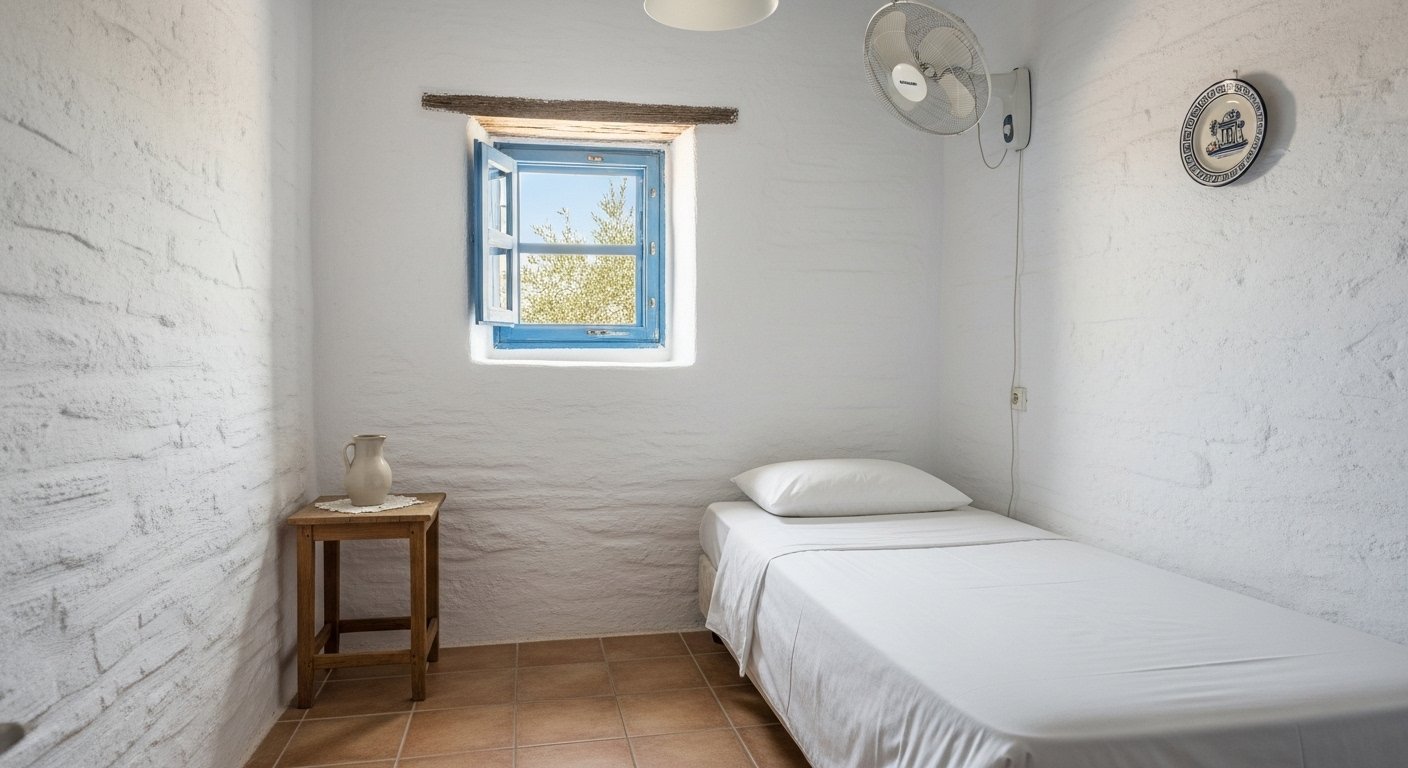
Maria rented three rooms above her kitchen. Mine had a balcony overlooking the harbor, a bathroom with hot water, and cost €22/night including coffee and pastries each morning. The booking sites didn’t know it existed.
This became my template for Greek islands budget travel accommodation. Skip the internet, walk the town centers between 6-8pm when owners are around. Ask at tavernas — they always know who has rooms.
Booking Site Strategy for Backup Plans
Sometimes the walk-around method fails. For backup bookings, here’s the cost hierarchy:
Booking.com: Highest selection, reasonable rates, good cancellation policies. Use their “deals” filter religiously.
Agoda: Often cheaper rates than Booking, especially in shoulder season. Interface is worse but prices are better.
Direct hotel websites: Always check these first. Many small Greek properties offer “book direct” discounts of 10-15%.
Avoid: Expedia (inflated rates), Hotels.com (same inventory as Expedia), and anything that requires payment upfront with no cancellation.
Eating Well for €20 a Day (Including Wine)
Greek food costs whatever you want it to cost. Tourist restaurants charge €25 for mediocre moussaka. Local tavernas serve better food for €12 and throw in free dessert.
The difference isn’t location. It’s knowledge.
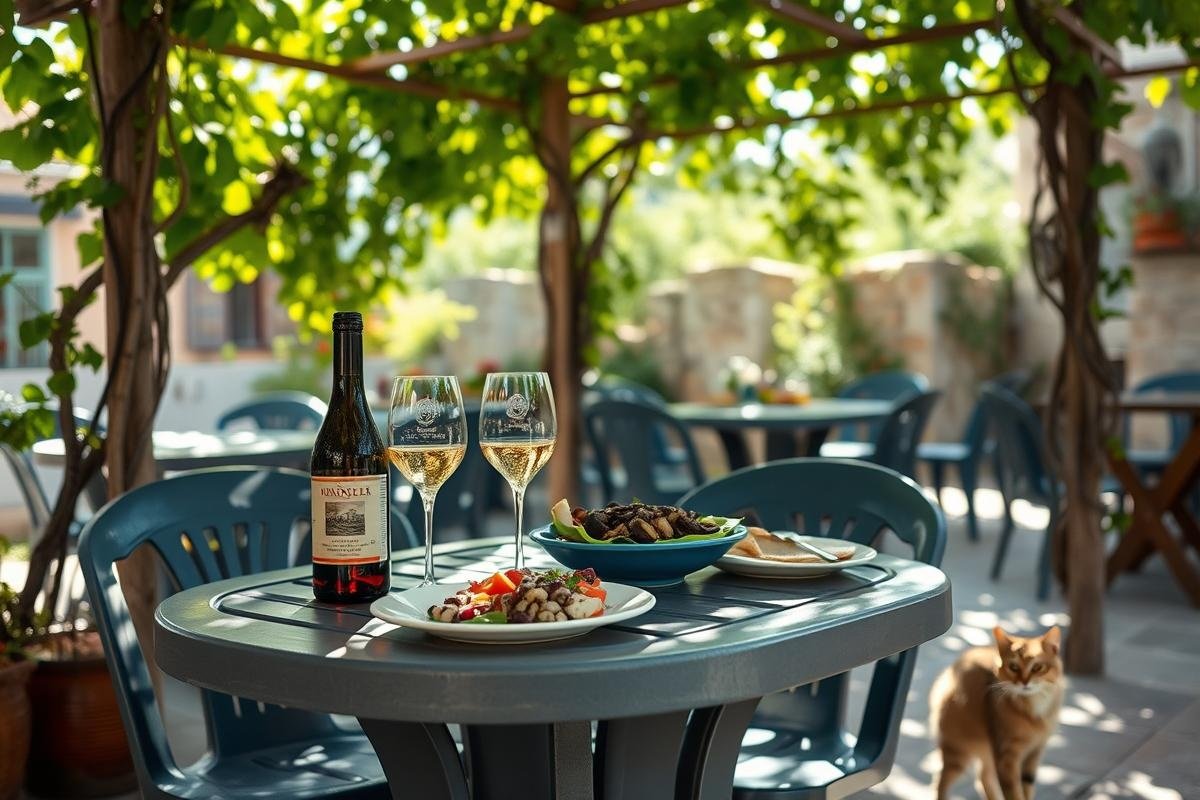
I’m sitting at Dimitris Taverna in Parikia, Paros. It’s 2:30pm and I’m the only tourist in sight. My lunch: grilled sea bream (caught this morning), Greek salad with actual Greek olives, half a liter of house wine, bread, and olives they brought automatically. Total cost: €14.50.
The €20/Day Food Budget Breakdown
Breakfast: €3-5
– Greek coffee and pastry from a local bakery: €2.50
– Or: Supermarket yogurt with honey and nuts: €1.80
– Or: Hotel/hostel included breakfast: €0
Lunch: €8-12
– Taverna with fish, salad, wine: €12
– Or: Souvlaki from street vendor: €4-6
– Or: Supermarket picnic for beach days: €5
Dinner: €9-15
– Family taverna with appetizers and wine: €15
– Or: Pizza and beer: €10
– Or: Gyros and beer: €8
Drinks/Snacks: €2-5
– Frappé or coffee: €2-3
– Beach bar beer: €4
– Supermarket beer: €1.50
Where Locals Actually Eat
Forget Google Maps reviews for Greek islands budget travel dining. Follow these signals instead:
Greek families with kids — If you see local families, the food is good and reasonably priced. Greeks don’t overpay for mediocre food just like you don’t.
No English menu — Or just a handwritten Greek menu with English translations scribbled underneath. These places serve locals first, tourists second.
Separate bar area — Real Greek tavernas have a corner where local men drink coffee and play backgammon. That’s your quality signal.
Limited menu — If they offer 47 different dishes, they’re reheating frozen food. The best places make 8-10 things really well.
The Supermarket Strategy for Greek Islands Budget Travel
Every island has at least one proper supermarket (usually Masoutis, Sklavenitis, or local chains). Stock up on:
- Greek yogurt (€2 for 1kg container)
- Local honey (€4-6, lasts the whole trip)
- Bread, tomatoes, cucumbers, olives, feta (€8 total for 3-4 meals)
- Local wine (€3-5 for excellent bottles)
- Water (€1.50 for 6-pack vs €2 per bottle at tourist spots)
The beauty of Greek supermarkets: they stock incredible local products at local prices. That €4 bottle of Santorini Assyrtiko wine? It costs €18 at restaurant wine bars.
Wine and Drinks Without Breaking the Bank
Greek wine is criminally underrated and stupidly affordable. Tavernas charge €8-12 for half-liter carafes of house wine that would cost €40/bottle in American restaurants. Always order the house wine. It’s usually local, always drinkable, and comes in quantities that make sense for meals.
Beer strategy: Order Mythos, Fix, or Alpha (Greek brands) at tavernas for €3-4. Import beers (Heineken, Corona) cost €5-6 for the same size. At supermarkets, Greek beer costs €1-2 per bottle.
Beach bars are where costs spiral. Budget €4-6 per drink or bring supermarket purchases. Most Greek beaches allow outside food and drinks, unlike many Mediterranean destinations.
Island-Specific Budget Tips You Won’t Find Elsewhere
Every Greek island has its own money-saving secrets. These are the ones locals told me, not the stuff you’ll find in guidebooks.
Naxos: The Perfect Greek Islands Budget Travel Base
Transportation hack: Rent a car for €15/day instead of doing organized tours. Gas costs €6-8 to explore the whole island. Tours charge €45/person for the same route.
Beach strategy: Skip Plaka Beach (parking costs €5, overpriced tavernas). Drive to Mikri Vigla — better beach, free parking, cheaper food.
Where to eat: Axiotissa village, 20 minutes inland. Family tavernas serve massive portions for €8-12. Plus the drive through mountain villages is half the experience.
Paros: The Transportation Hub Advantage
Ferry connections: Book onward travel the day after you arrive, not online in advance. Local agencies often have better rates than official websites.
Naoussa vs. Parikia: Stay in Parikia (port town) for budget accommodation. Visit Naoussa for dinner but don’t sleep there — costs 40% more for the same room quality.
Golden Beach: Windsurfing paradise with budget camping options. €10/night for tent space, €15 for basic cabin. Restaurant on-site serves fresh fish for reasonable prices.
Milos: The Geology Wonder
Transportation essential: You need wheels to see anything. Scooter rental costs €15/day, car rental €25/day. Public transport exists but runs twice daily.
Beach hopping: Sarakiniko gets all the Instagram attention but parking is chaos. Kleftiko boat tours cost €25-30. But here’s what locals do — hike to Tsigrado and Firopotamos beaches. Equally stunning, no crowds, no fees.
Where to stay: Adamas port town for access to restaurants and ferries. Klima fishing village for photos but limited food options.
Samos: The Underrated Wine Island
Accommodation hack: Pythagorion looks prettier but costs more. Stay in Vathy (capital) for better prices and local atmosphere.
Wine tasting: Skip organized tours (€40-60/person). Drive to mountain villages like Kokkari or Manolates. Tavernas serve local wine by the carafe — same quality, fraction of the cost.
Beach access: Beaches near Pythagorion charge parking fees. Drive 20 minutes further to Psili Ammos — better beach, free parking, authentic tavernas.
Crete: The Massive Island Strategy
Crete deserves its own article, but for Greek islands budget travel, stick to one region. Transportation costs add up fast across the island.
Chania region: Western Crete has the best combination of beaches, history, and food. Accommodation in Chania old town costs €25-40/night. Skip Balos Lagoon tours (€35/person) — the hike is free and more rewarding.
Food costs: Crete has the cheapest taverna meals in Greece. €10-12 gets you fish, salad, wine, and dessert at family places.
But honestly? If you only have 1-2 weeks total for Greek islands budget travel, skip Crete and focus on 2-3 smaller islands. You’ll see more diversity for less money.
FAQ: Greek Islands Budget Travel
How much does Greek islands budget travel actually cost per day?
Realistically, $50-80/day depending on your accommodation choices and alcohol consumption. My $67/day average included mid-range guesthouses and taverna meals with wine. You could do it for $45/day with hostels, supermarket meals, and local bus transport — but you’d miss some experiences. Above $80/day, you’re not really budget traveling anymore.
Which Greek islands are cheapest for budget travelers?
Naxos, Samos, and Milos offer the best value — beautiful islands with accommodation under €25/night and meals under €15. Paros sits in the middle price-wise but offers great ferry connections. Avoid Santorini and Mykonos entirely if budget is your priority. They’ll cost 2-3x more for similar experiences available elsewhere.
When is the cheapest time for Greek islands budget travel?
September is the sweet spot — perfect weather, smaller crowds, but restaurants and ferries still running full schedules. May is also good but weather can be unpredictable. July-August costs most and involves serious crowds. November-March cuts costs dramatically but many businesses close, especially on smaller islands.
How much do ferries cost between Greek islands?
Budget €30-45 for most routes between islands. Piraeus to Naxos costs €32 economy class on slow ferries, €58 on high-speed ones. Inter-island routes (like Naxos to Paros) run €15-25. Book directly with ferry companies to avoid booking fees. Allow €10-15/day for local transport (buses, short taxi rides) once you’re on islands.
Is food expensive on Greek islands?
Only if you eat where tourists eat. Family tavernas charge €12-16 for complete meals with wine. Street food (gyros, souvlaki) costs €4-6. Supermarket groceries are reasonable — about 30% more than mainland Greece. Budget €15-20/day for good meals including alcohol. Restaurant meals near sunset viewpoints or cruise ship ports cost double.
Do I need to book accommodation in advance for Greek islands budget travel?
September-October and May, you can find decent rooms by walking around town centers. July-August, book at least 2-3 weeks ahead for budget options. Shoulder season offers flexibility — I found my best accommodations (family guesthouses for €20-25/night) by asking at local tavernas, not online booking sites.
The Bottom Line
Greek islands budget travel isn’t about suffering through hostels and instant ramen. It’s about choosing experiences over Instagram spots, local tavernas over tourist restaurants, and smaller islands over crowded ones.
My three weeks cost $2,087 total — less than what most people spend on one week in Santorini. But more importantly, I got to know Greece instead of just photographing it. I learned to play backgammon from fishermen in Samos. I discovered wine regions tourists never visit. I swam at beaches where locals spent their weekends, not where cruise ships dropped day-trippers.
The secret isn’t deprivation. It’s knowing that the best of Greece — the food, the landscapes, the hospitality — costs less than the tourist version, not more. You just have to be willing to dig a little deeper than the first page of Google results.
cheapest countries to visit shows that Greece consistently offers incredible value if you know where to look. travel credit cards for flights can help offset flight costs, making Greek islands budget travel even more accessible from the US.
Start planning your trip for September or May. Book that flight to Athens. And remember — the Greece you’ll fall in love with isn’t the one from Instagram. It’s the one that costs half as much and offers twice the authenticity.
Trust me on this one.